The Hub and the Spokes
A friend asked whether transformation requires the Spirit or whether a person can simply choose love. The question is good. But it contains an assumption worth looking at closely.

A friend asked whether transformation requires the Spirit or whether a person can simply choose love. The question is good. But it contains an assumption worth looking at closely.

The word we translate as “law” means something aimed at a target. What changes when you see where it was always pointing?
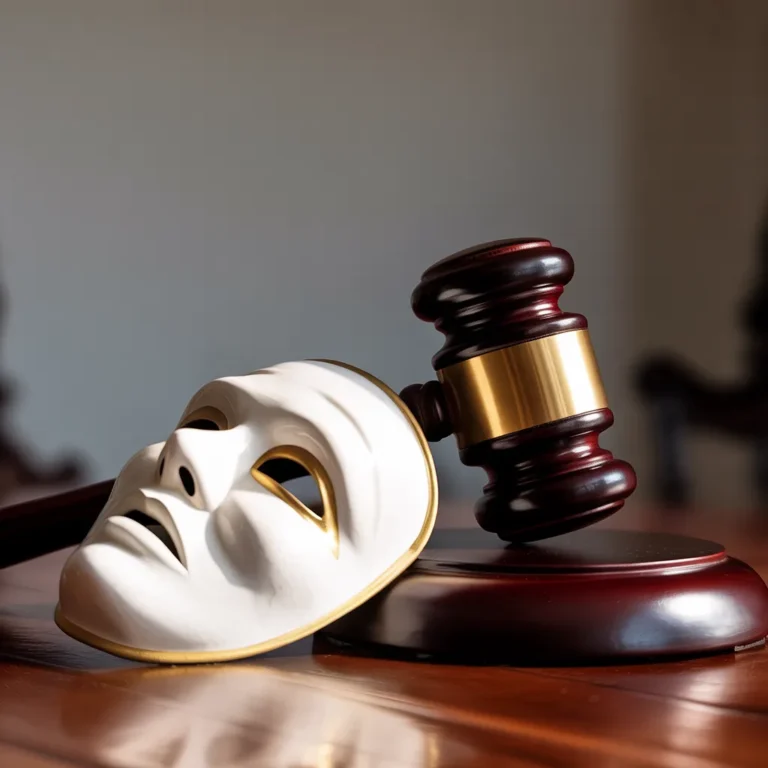
“Hypocrite” comes from a Greek word for a stage actor in a mask. But break the word into its parts, and a second, more uncomfortable picture appears — one that may live closer to home than the Pharisees.

The word translated “repentance” in English points to guilt, remorse, a promise to do better. The Greek word it translates — metanoia — points somewhere else entirely. And the difference is the whole game.
“In the beginning was the Word.” We picture text on a page — something spoken, written, gone in a moment. But the word John actually wrote means almost the opposite of that. And it changes who he’s saying Jesus is.
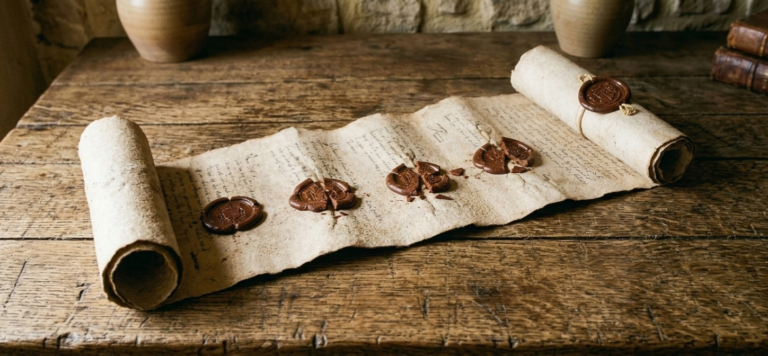
A book lets you skip to the last page and read how it ends. A scroll won’t. In Revelation, the seven seals are sealed shut in a way that’s doing far more than we tend to notice.

“The kingdom of heaven is like leaven…” If leaven is a symbol of sin, why would Jesus compare the kingdom of God to it? A few questions worth sitting with — Matthew 13:33.

God gave Israel a calendar that began in spring. But spring depends on where you’re standing.

The Bible can feel like a table full of dumped puzzle pieces — scattered, mixed up, and salted with fake pieces we mistake for real ones. So how does anyone ever see the picture? And what is the picture? It has a name.

God spoke directly to the prophets — many times, many ways. So why does it seem he doesn’t speak that way to us? The question has an answer, and it changes where you go to listen.