When Words Move
I picked up the first English dictionary, printed in 1604, and couldn’t read half of it. One word stopped me cold — and it’s all over the Bible.
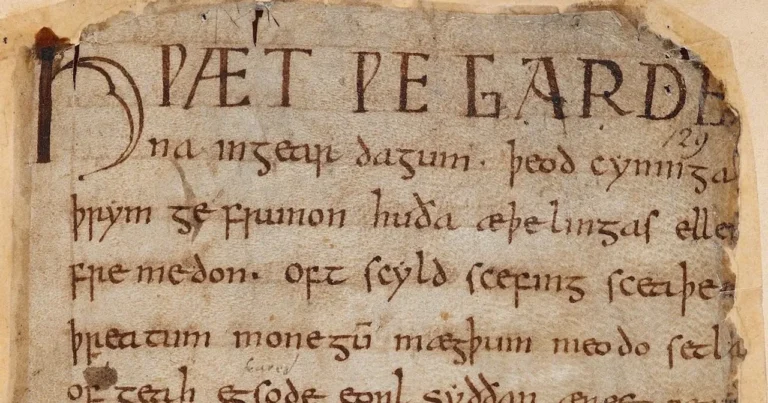
I picked up the first English dictionary, printed in 1604, and couldn’t read half of it. One word stopped me cold — and it’s all over the Bible.
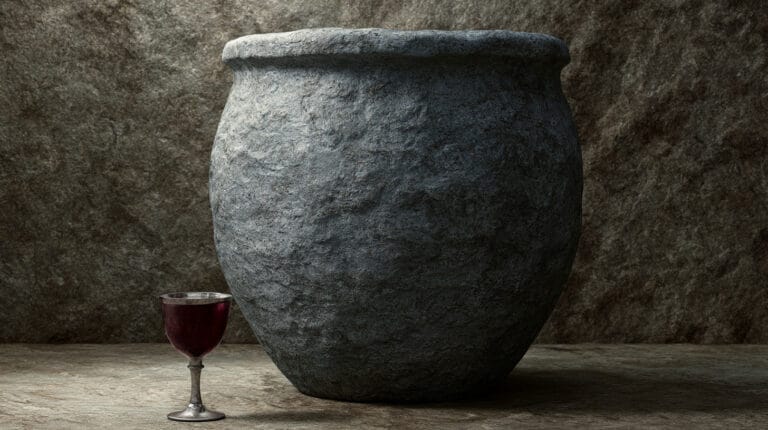
A wedding runs out of wine. Jesus says “not yet” — then does it anyway. Two odd snags in one short story. What if they were put there on purpose?

Strip the familiarity off a baptism and it’s a strange thing to do to someone — laid all the way back until the water closes over the face, held under, then lifted out. A staged death, with a rising on the end of it. And the claim underneath it is stranger still: that it’s his death, and we’re joined into it — even those of us who weren’t there.

We keep waiting to wake up one morning with it all finally figured out. No one ever does. We learn this the way we learned to walk — by hitting the floor, repeatedly, and getting back up. Turns out the floor has a few things to teach that staying upright never could.

For three years they had the closest seat in the room — the miracles, the private explanations, every day at his side. And the Gospels are oddly honest that they understood almost none of it. Not before the cross. Not even after the empty tomb. So when did they finally understand — and where does that leave the rest of us?

Every feast God gave sits on a fixed date — except one. The Feast of Weeks you don’t look up; you count to it. And the day you count from refuses to sit still. Why does Pentecost slide?

Fifty days of counting. Fifty years of counting. Same pattern, different scales. The difference between them is the difference between time and eternity — and Pentecost is where they connect.

Many readers pass through the Feast of Weeks without noticing what it actually contains. The two leavened loaves offered at its culmination demonstrate it precisely: The Feast of LEAVENED Bread.
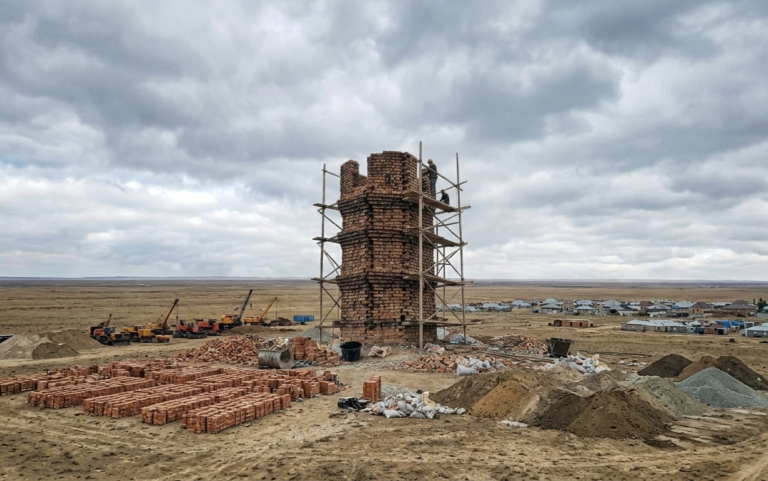
They built with brick instead of stone, and tar instead of mortar. The language fracture wasn’t a punishment. It was already inherent in the materials.

Both sides of the Law-vs-Grace debate think I agree with them. Neither can see what is only observable from a different perspective.