A Corrupted File Isn’t Guilty
A corrupt politician took a bribe. A corrupted computer file won’t open. Both are “corrupt” — and no one thinks the file did anything wrong.

A corrupt politician took a bribe. A corrupted computer file won’t open. Both are “corrupt” — and no one thinks the file did anything wrong.

Words are only one of the languages we speak. A look at symbolism as the bridge between words and reality — and at one symbol, death, sounding the same note at every level, from a garden to the Holy of Holies.

To “observe” the commandments has quietly come to mean perform them. But the word means to watch — to see. That single shift is the difference between a mask and a mirror.
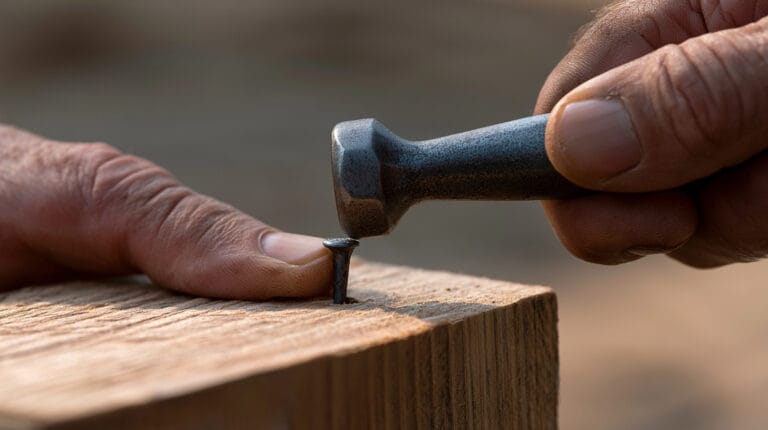
Concordances and lexicons: the right tool for one job, the wrong tool for another. One Greek word — epithumia, rendered both “desire” and “lust” — shows why.
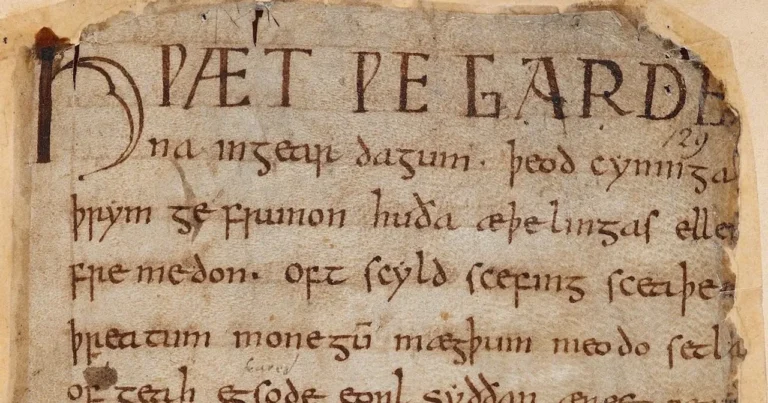
I picked up the first English dictionary, printed in 1604, and couldn’t read half of it. One word stopped me cold — and it’s all over the Bible.

A wedding runs out of wine. Jesus says “not yet” — then does it anyway. Two odd snags in one short story. What if they were put there on purpose?
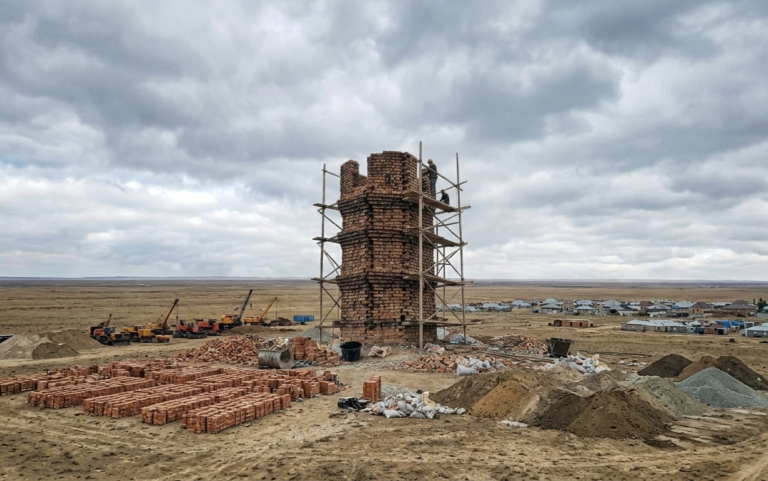
They built with brick instead of stone, and tar instead of mortar. The language fracture wasn’t a punishment. It was already inherent in the materials.
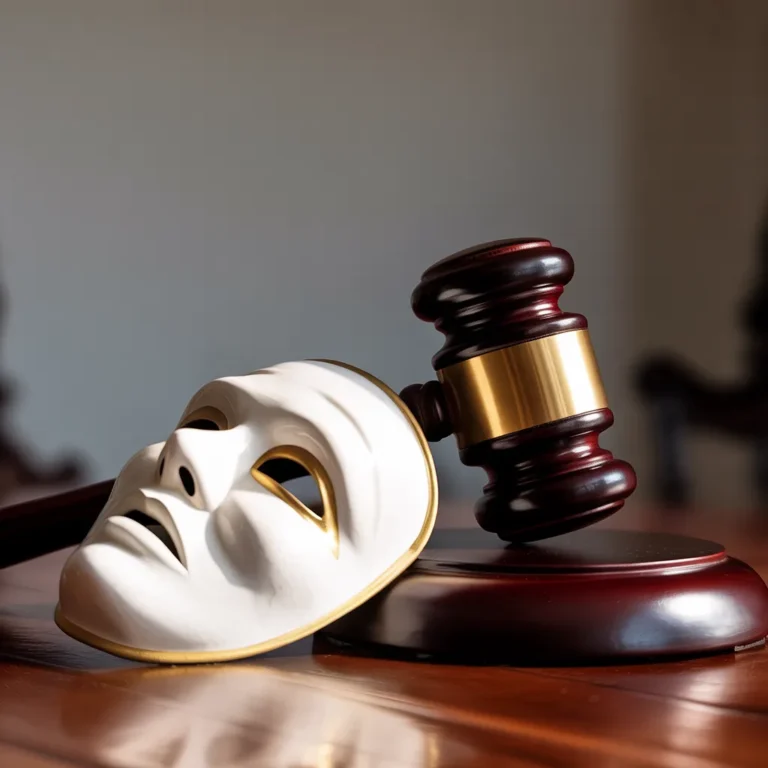
“Hypocrite” comes from a Greek word for a stage actor in a mask. But break the word into its parts, and a second, more uncomfortable picture appears — one that may live closer to home than the Pharisees.

The word translated “repentance” in English points to guilt, remorse, a promise to do better. The Greek word it translates — metanoia — points somewhere else entirely. And the difference is the whole game.
“In the beginning was the Word.” We picture text on a page — something spoken, written, gone in a moment. But the word John actually wrote means almost the opposite of that. And it changes who he’s saying Jesus is.