Room for One
Mary asked if I’d found my way through the “narrow gate.” Her question deserved more than the brief answer I gave — so here is the fuller one. It begins with a single word we tend to mishear.

Mary asked if I’d found my way through the “narrow gate.” Her question deserved more than the brief answer I gave — so here is the fuller one. It begins with a single word we tend to mishear.

Paul never saw the cross — he came in years late, on the wrong side of it — yet no one in the New Testament staked more on it than he did. Why would a man build everything on an afternoon he wasn’t there for?

The leper wasn’t the only one. Again and again Jesus crossed the line the law drew around the unclean — the leper, the bleeding woman, the dead — and every time, it was the uncleanness that gave way, not him.
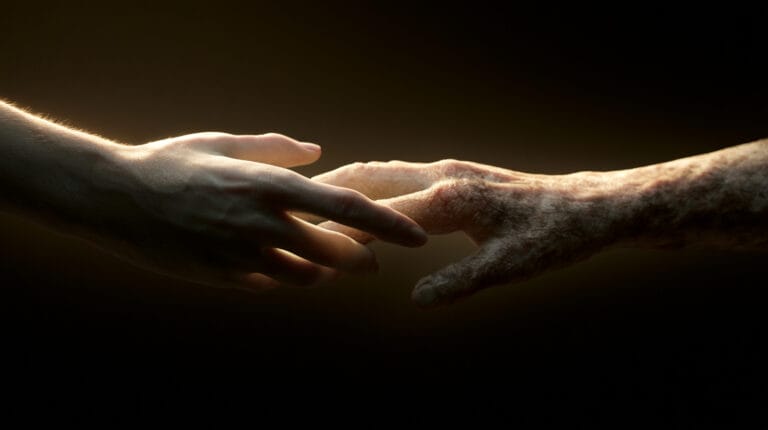
A leper begs to be made clean — and instead of healing him from a safe distance, Jesus reaches out and touches the untouchable. That one choice quietly overturns a word most of us were sure we understood.
Before the tree, Judas went back to the temple — and the men who held the key of knowledge handed him a wall instead of a door. A look at the key that opens or locks, and whose hand finally holds it.

I catch myself reaching for the verse, the correction — the thing I know that they apparently don’t. A look at the danger Paul names: knowledge puffs up, but love builds up.
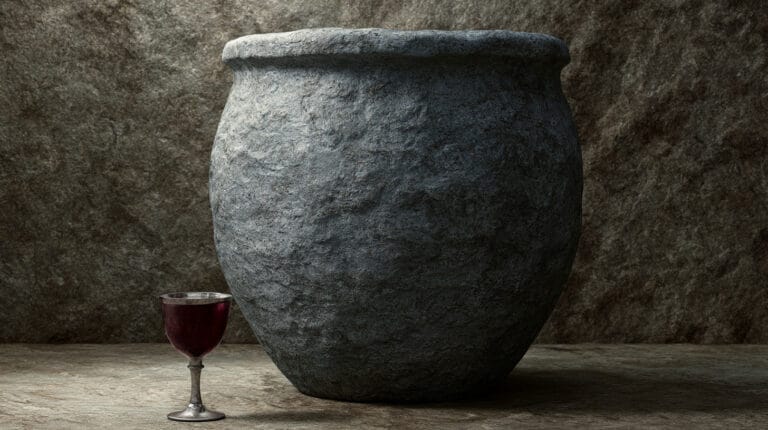
A wedding runs out of wine. Jesus says “not yet” — then does it anyway. Two odd snags in one short story. What if they were put there on purpose?
For three years they had the closest seat in the room — the miracles, the private explanations, every day at his side. And the Gospels are oddly honest that they understood almost none of it. Not before the cross. Not even after the empty tomb. So when did they finally understand — and where does that leave the rest of us?

Every feast God gave sits on a fixed date — except one. The Feast of Weeks you don’t look up; you count to it. And the day you count from refuses to sit still. Why does Pentecost slide?
“In the beginning was the Word.” We picture text on a page — something spoken, written, gone in a moment. But the word John actually wrote means almost the opposite of that. And it changes who he’s saying Jesus is.