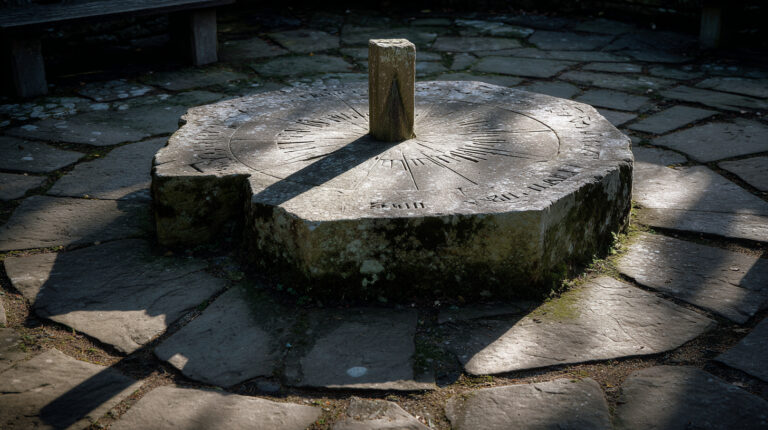
Why Pentecost Has No Fixed Date
Every feast God gave sits on a fixed date — except one. The Feast of Weeks you don’t look up; you count to it. And the day you count from refuses to sit still. Why does Pentecost slide?
Fifty days of counting. Fifty years of counting. Same pattern, different scales. The difference between them is the difference between time and eternity — and Pentecost is where they connect.
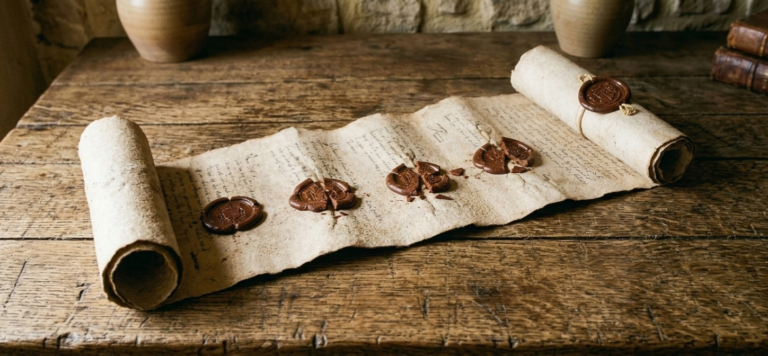
A book lets you skip to the last page and read how it ends. A scroll won’t. In Revelation, the seven seals are sealed shut in a way that’s doing far more than we tend to notice.
God gave Israel a calendar that began in spring. But spring depends on where you’re standing.
The week has a shape — six and a seventh, then a new beginning. Watch that same shape turn up in the years, the Jubilee, Pentecost — until you notice you’re standing inside several at once.
Every unit of time — the day, the month, the year — has a celestial anchor. The week doesn’t. That absence points somewhere specific.
When does a day begin? Since the clock, we say midnight. The Bible says evening — sunset. But it never pins down the exact minute — and that quiet imprecision is worth sitting with.
Does God have a plan? Most of the world assumes not. Scripture says yes — and that the plan has a center: everything in heaven and on earth gathered under Christ. The feasts were the shadow of it, sketched in advance. The body casting the shadow was always him.