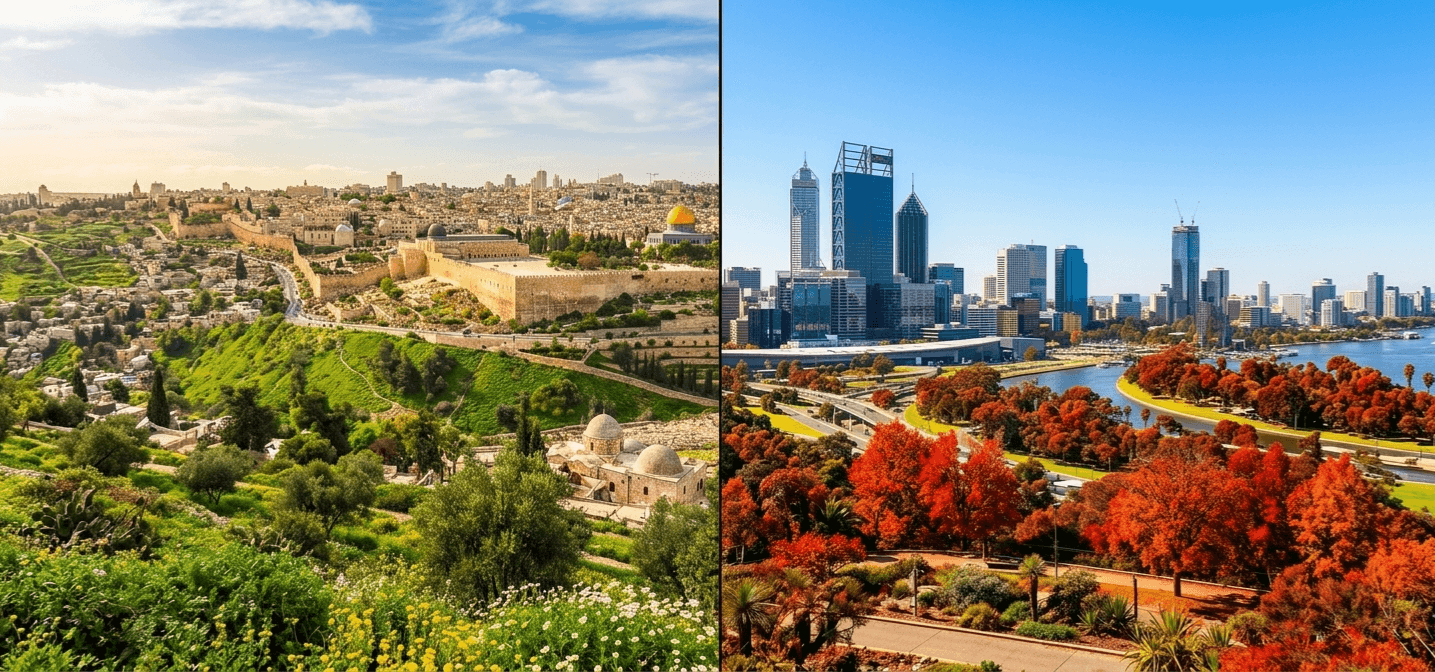
Why Does the Bible Have Two Calendars?
This post follows from Where Does the Week Come From?.
Why are there two Hebrew calendars in the Bible? Was only one of them God’s, or are both? If both, what are they for — and how do they fit together?
Day to day we keep the Gregorian calendar; it isn’t biblical, just what the world runs on. In the Bible two calendars matter, both Hebrew. The first is the one anyone who follows the feastsIn Scripture a feast — Hebrew chag — is a designated period, not a single day but a span with its own structure and sequence. The Feast of Weeks spans seven weeks; the Feast of Tabernacles, seven days. A feast may contain one or more annual holy days, but the feast itself is the full period, not any single day within it. A feast is not the same as a holy day (a sabbath), though the two connect and can coincide — the Feast of Trumpets is itself a holy day, and Atonement is both a feast and a holy day. Synonyms: festival, appointed time, moed. More knows: the ecclesiastical calendar, beginning in spring, on Nisan 1.
This month shall be for you the beginning of months. It shall be the first month of the year for you. (Exodus 12:2)
Notice one thing: Nisan 1 is not a holy dayA holy day is a sabbath — a commanded day of rest and holiness. Scripture gives two kinds: the weekly Sabbath (the seventh day) and the annual sabbaths tied to the feasts (Lev 23:24, 32, 39). Both are holy days; neither is the same as a feast. An annual holy day is not the annual feast it belongs to. It is a point of demarcation in the sequence — a marker that gathers up the period leading to it and carries its meaning forward. Synonyms: sabbath, annual sabbath. More. God names it the start of the year without marking it as a sacred assemblyThe English word "church" doesn't translate the Greek ekklesia — it derives from kyriakos, a pagan term for a building belonging to a lord. Ekklesia is a called-out, gathered people; the New Testament rarely leaves it bare but qualifies it — "the church of God" (whose it is, who called it) or "the church at Corinth" (which local gathering) — never a building. The Septuagint already used it for Israel's qahal, the congregation God called out and assembled (Acts 7:38). A spiritual organism, not an institution. Synonyms: ekklesia, ecclesia, called-out ones, assembly, congregation, kyriakos, qahal, edah.
See also: firstfruits. See A People, Not a Place More.
The other calendar begins six months later, on Tishrei 1 — the seventh month of the ecclesiastical year. And unlike Nisan 1, this one is a holy day: the day usually called the Feast of TrumpetsThe common name obscures the Hebrew Yom Teruah — the Day of Blowing, or sounding. While trumpets were blown, they were also blown on every new moon; what distinguishes this feast is not the instrument but the act itself — breath, sound, something sent out. What that points toward requires a closer look. Synonyms: Yom Teruah, Day of Blowing, Day of Sounding. More.
That name is worth a second look, because “trumpet” is only implied — trumpets were blown on the first of every month, not only this one. The actual name is Yom Teruah: a Day of Blowing. BreathFrom the Greek pneuma and Hebrew ruach — both meaning breath or wind: invisible in itself, known by its movement and effects. The original words are grounded in something physical and immediate. Synonyms: Holy Ghost, pneuma, ruach, Spirit of God, breath, wind. More, sound, air driven through the lungs. Israel uses other names too — Zicharon Teruah, a remembrance of blowing; Yom Hazikaron, a day of remembrance; Yom Hadin, a day of judgment — but the most common is Rosh Hashanah: Head of the Year. Their civil new year.
So here is the question underneath it all. Scripture declares exactly one beginning of the year, and it is Nisan, in the spring (Exodus 12:2). Yet Israel also starts a year at Tishrei, in the fall, and calls it the head of the year. Did they simply make that up? Or is there a reason — even an ordained one?
Two Puzzles on the Back Burner
I sat with that question a long time, and two other puzzles kept it alive — neither of which I could make fit. I set them both on the back burner for years. Decades, really. I wasn’t going to force a resolution I couldn’t yet see.
The first was the JubileeThe fiftieth year, reached after seven sabbatical cycles of seven years and announced by a ram's-horn blast — the year when debts were released, the enslaved set free, and every family's land returned to it. It runs on the same seven-times-seven-into-fifty structure as the Feast of Weeks, on a higher scale: the pattern of seven resolving into liberty and return. Synonyms: yobel, year of release, year of liberty. See also Sabbatical year. See From Fifty Days to Eternity More.
You shall count seven weeks of years, seven times seven years… Then you shall sound the loud trumpet on the tenth day of the seventh month. On the Day of AtonementAn English construction — at-one-ment — coined by Tyndale, not a direct translation. The Hebrew behind it, kaphar, means to cover, sharing its root with kapporeth — the cover of the ark, the mercy seat. The Day of Atonement centers on the High Priest bringing blood to that cover. The act and the object are the same word pointing at the same reality. Synonyms: Day of Atonement, Yom Kippur, kaphar, kapporeth. More you shall sound the trumpet throughout all your land. And you shall consecrate the fiftieth year, and proclaim liberty throughout the land… It shall be a Jubilee for you. (Leviticus 25:8-10)
The fiftieth year — a new year, a year of releaseFrom the Hebrew shmita — a release, a letting-drop: every seventh year the land is left to rest and debts and bondservants are released (Leviticus 25:1-7; Deuteronomy 15). It is the sabbath kept on the scale of years rather than days — the same seven-pattern as the week, one rung below the Jubilee that crowns seven of these cycles. Synonyms: shmita, shemittah, sabbath year, year of release, land sabbath. See also: Week, Sabbath, Jubilee. See The Same Shape at Every Scale More — is proclaimed in the seventh month, on the Day of Atonement. The seventh month is Tishrei. If the year only ever begins at Nisan, this new year is announced stranded in the middle of another one. Why does the year turn at Tishrei here?
The second was the rain.
See how the farmer waits for the precious fruit of the earth, being patient about it… until it receives the early and the late rains. (James 5:7 ESV)
James is leaning on Joel:
…he has poured down for you abundant rain, the early and the latter rain as before. (Joel 2:23 ESV)
Early, then latter — a reasonable order, nothing strange about it. Neither verse even says when in the year the rains fall. (Hold one line beside them, though: “the last shall be first, and the first last.” It belongs here — not against how we’ve read it, but into it.)
But read the same two verses in other translations, and they sharpen:
…patiently waiting for the autumn and spring rains. (James 5:7 NIV)
…he will cause to come down for you the rain, the former rain, and the latter rain in the first month. (Joel 2:23 KJV)
Now they are pinned down. The early rain is autumn’s; the latter rain is spring’s — and the latter rain falls in the first month. There is the snag. The latter rain, the later one, in the first month? The name says late; the calendar says first. And its partner, the early rain, falls in autumn — in Tishrei, the seventh month, late in the year. Named early and latter, the two rains arrive in the reverse of the order their names give them. I read that for the longest time and could not make it sit still. Back burner.
And there was a third thread I could feel but not hold. At PentecostThe fiftieth day — the annual holy day (a sabbath) that closes the Feast of Weeks, the culmination of its seven-week count. In Acts 2, the day the Spirit was poured out on the gathered ekklesia. The Greek pentēkostē simply means fiftieth. Pentecost is the holy day, not the feast itself — the feast is the seven weeks it completes. The connection between Pentecost and the eternal Jubilee cycle is explored in From Fifty Days to Eternity. Synonyms: pentēkostē. More, when the crowd asked what the rushing wind and the tongues of fire meant, Peter answered by quoting Joel — and the passage he reached for is the very one about those two rains (Acts 2:16-17). He took words that read as future and laid them on what was happening right then. The context of his quote was the rains. I knew that was a clue. I just didn’t get it, for a while.
Where the Calendar Is Kept
What finally moved all of it off the back burner was a single instructionFrom the Hebrew Torah — instruction, direction — rooted in yarah, to aim as an archer toward a target. Never primarily legislative. The stone tablets were hidden inside the ark, inside the most holy place, mediated by a priest. The promise was always to move that instruction from stone to flesh — from concealment behind a veil to working from within the person. Synonyms: Torah, nomos, instruction, teaching, commandment, mitzvah. More about where the calendar is kept.
When you come into the land that I give you and reap its harvest, you shall bring the sheaf of the firstfruitsFirstfruits (Greek aparchē; Hebrew bikkurim) — the first and best of a harvest, brought to God ahead of the rest and set apart as His. Scripture layers it: Christ is the wave sheaf, "the firstfruits of those who have fallen asleep" (1 Cor 15:20-23); the ekklesia are in turn called firstfruits (James 1:18) — an early portion themselves, ahead of a far larger harvest still to come. See also: Wave sheaf See Why Pentecost Has No Fixed Date More of your harvest to the priest. (Leviticus 23:10)
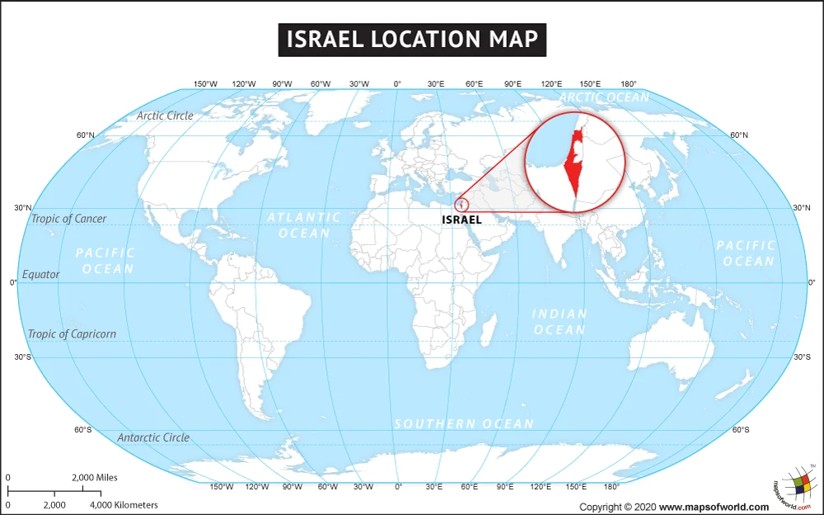
The calendar is tied to a real harvest in a real place. The wave sheafThe first of the firstfruits of the harvest — a single unleavened sheaf lifted and waved before God on the day after the Sabbath during the Days of Unleavened Bread. It marks the transition into the counting period of the Feast of Weeks. 1 Corinthians 15:20-23 identifies Christ as the first of the firstfruits of the resurrection — the wave sheaf pointing precisely at him. Synonyms: wave offering, firstfruits offering, omer. See The Feast of LEAVENED Bread More waits on the spring barley; the Feast of WeeksThe longest feast in the Leviticus 23 calendar — seven full weeks of counting from the wave sheaf to the fiftieth day, when it is closed by the holy day of Pentecost. Beginning with the unleavened first of the firstfruits and culminating in two leavened loaves offered as firstfruits. An alternative name for this feast is demonstrated by its contents: the Feast of Leavened Bread. Synonyms: Shavuot, Feast of Firstfruits, Feast of Harvest. More on the spring wheat. Nisan 1 lands in spring because Jerusalem sits at about 32 degrees north latitude. The year begins in spring because that is when, there, the ground gives its first grain.
But spring depends on where you stand.
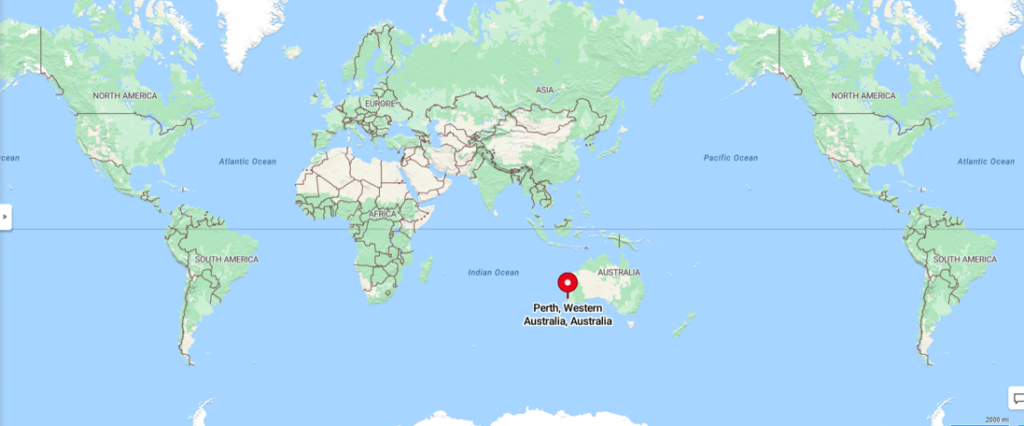
Take Perth, Australia — 32 degrees south, the same latitude as Jerusalem, the opposite hemisphere. (Picture keepingFrom the Hebrew shamar — to watch over, guard, protect, give attentive care to. A shepherd shamar the flock. The keeping the feasts and sabbath requires is the attentive, protective engagement that creates the conditions for seeing what they reveal — not external compliance with a schedule. Synonyms: shamar, observe, guard, watch over. More Christmas there: sunburned in the dead of summer while the cards still show snow.) When Jerusalem is in spring, Perth is in autumn. Keep God’s own rule in Perth — begin the year in spring, when the harvest comes — and the year begins in Tishrei.
There it is. The civil calendar was never arbitrary, and never a second, man-made thing competing with God’s. It is the same ordained rule — begin the year in spring, anchored to the harvest — read from the other side of the earth. Nisan in the north, Tishrei in the south. Both spring. Both firstfruits. Two calendars, two hemispheres, one rule.
And the moment that comes clear, the rain stops running backwards. Stand in the south and read the names again: the early rain, autumn’s rain, falls in Nisan — early in the year, exactly as it says; the latter rain, spring’s rain, falls in Tishrei — later, exactly as it says. From the south, the names run forward. The confusion was never in the text. It was in reading one hemisphere’s words by the other hemisphere’s seasons. One text, holding both ends of the earth at once.
The Framework of the Framework
That is as far as these two calendars are meant to take us here — and nothing like as far as they go. They don’t merely sit side by side; they overlap and alternate and line up in ways that look, at first, downright strange — correspondences that open into something much larger. The feasts lay out a framework — a plan with a shape you can see — but that framework turns out to sit inside a far larger one: a framework of the framework. There is far more here than one post can hold.
I’ll call it mind-blowing, and the everyday word fits — but there is something more fitting still underneath it. The day that opens the civil year is the Day of Blowing: breath, wind, air in motion. Pentecost arrived as a rushing wind. The Spirit is breath. The blowing runs straight through it — and that is its own thread to follow.
As for Peter’s clue — what the rains and the wind and Pentecost are doing together — the early-and-latter question turns out to be less a contradiction than a seam, the place where the last becomes the first. But that is further in than two calendars take us, and it deserves its own telling.
For now it is enough to see that one text was carrying the whole earth all along.
He is the propitiation for our sins, and not for ours only but also for the sins of the whole world. (1 John 2:2)