A Corrupted File Isn’t Guilty
A corrupt politician took a bribe. A corrupted computer file won’t open. Both are “corrupt” — and no one thinks the file did anything wrong.
A corrupt politician took a bribe. A corrupted computer file won’t open. Both are “corrupt” — and no one thinks the file did anything wrong.
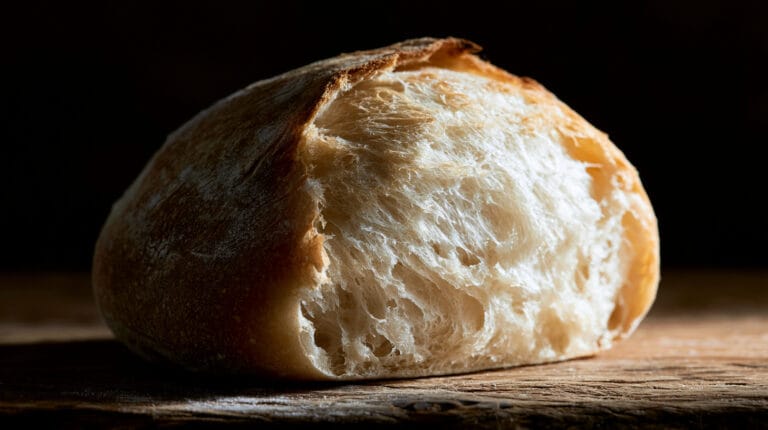
Bread and crackers are made of nearly the same stuff, but no one confuses them — and the Gospels kept two words for it too. Set aside the old fight over which one Jesus broke, and watch instead what leaven actually does.

For seven days each year, every trace of leaven is swept from the house. If leaven never meant sin, what is actually being cleared out — and why does it come back, risen, by Pentecost?

Mary asked if I’d found my way through the “narrow gate.” Her question deserved more than the brief answer I gave — so here is the fuller one. It begins with a single word we tend to mishear.
Paul never saw the cross — he came in years late, on the wrong side of it — yet no one in the New Testament staked more on it than he did. Why would a man build everything on an afternoon he wasn’t there for?

The clean land animal chews the cud and has a split hoof — two traits, both required. And the measure has already turned on us. So what are they measuring in us?
We have said that man is the unclean creature. And we have heard Peter told to call no person unclean. So which is it — are we unclean, or are we forbidden to say so?
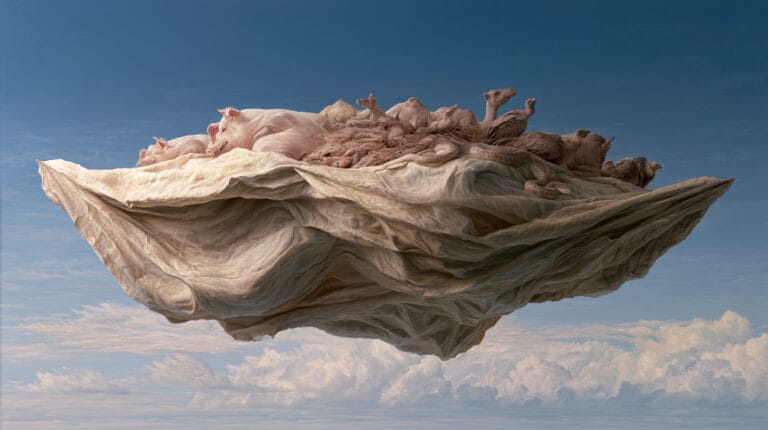
A sheet full of unclean animals comes down out of heaven, and Peter reads it as being about people, not pork. The New Testament keeps treating the unclean creatures as a kind of language — and Christ did too.
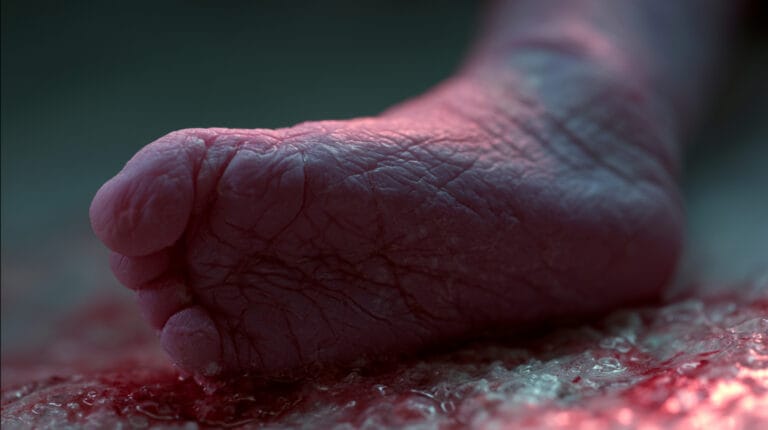
We file the clean and unclean laws under “forbidden foods.” But open Leviticus, and most of the system isn’t about the menu — it’s about the body. Turn its own measure around, and it points somewhere we didn’t expect.

The food laws plainly changed — plants in Eden, every creature after the flood, clean and unclean at Sinai. If God never changes, what do we make of that? It turns out none of the stages was the destination.