The Measure Turned Around
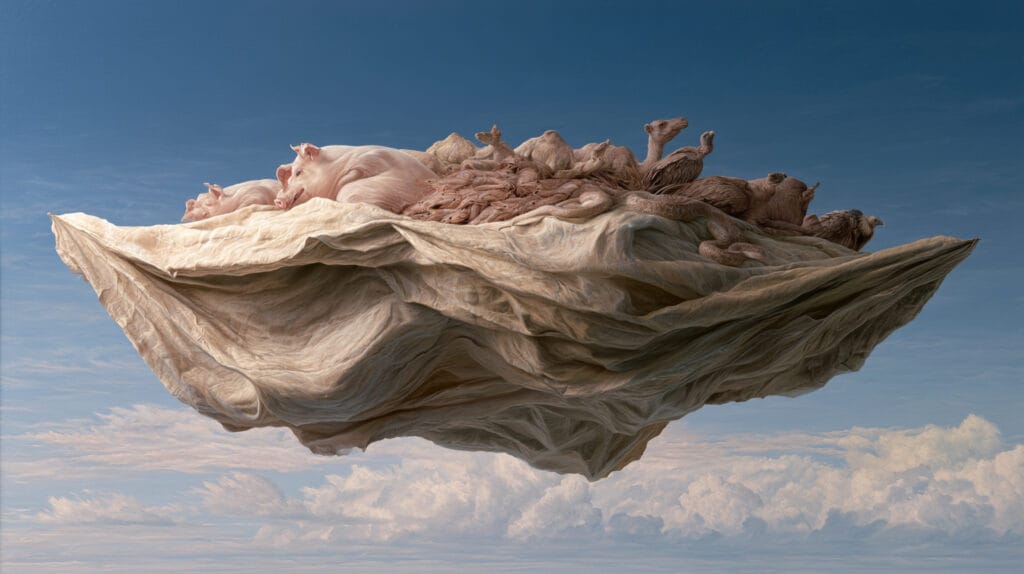
When most of us hear “clean and uncleanIn Leviticus, unclean (Hebrew tame') names a state of ritual impurity, not a moral fault — its usual causes are the body's own processes (birth, illness, discharge, contact with death), and it is never listed among the sins (Lev 16:16). Its remedy is washing and waiting — purification, not forgiveness (Lev 15:31). See also: What He Was Willing to Touch. More,” we picture a list of forbidden foods — pork, shellfish, the things you can’t eat. But open the chapter where it’s actually laid out (Leviticus 11), and for the land animals and the water creatures we aren’t handed a list of names at all. We’re handed traits. A clean land animal chews the cud and has a split hoof — both together. A clean water creature has fins and scales. The text isn’t asking us to memorize which animals; it’s handing us the traits and letting us sort for ourselves. That isn’t how an arbitrary rule reads, and it isn’t how a health tip reads. It reads like a system with a purpose under it.
The birds are the exception, and the exception is worth noticing. There the text gives no traits at all — it simply names them: the eagle, the vulture, the kite, the raven, the hawk and the owl after their kinds, the stork, the heron, down to the bat at the end of the list (Lev 11:13–19). Traits for the land and the water; bare names for the air. Why the one realm is handled differently is a question worth its own day; here it’s enough to see that the system is careful enough to sort one realm unlike the others.
And it states its own reason, which isn’t the one we’d reach for. Not “because these will make you sick.” The reason it gives is “be holy, for I am holy” (Lev 11:44). Whatever this is, the text files it under holinessFrom the Greek hagiasmos, rooted in hagios — the Greek rendering of the Hebrew qadosh: set apart, designated for a specific purpose. Not primarily a moral improvement process but a directional one: removed from common use and oriented toward something specific. Connects directly to ekklesia — the called-out ones. Synonyms: sanctify, sanctified, hagios, hagiasmos, holiness, qadosh. More, not hygiene.
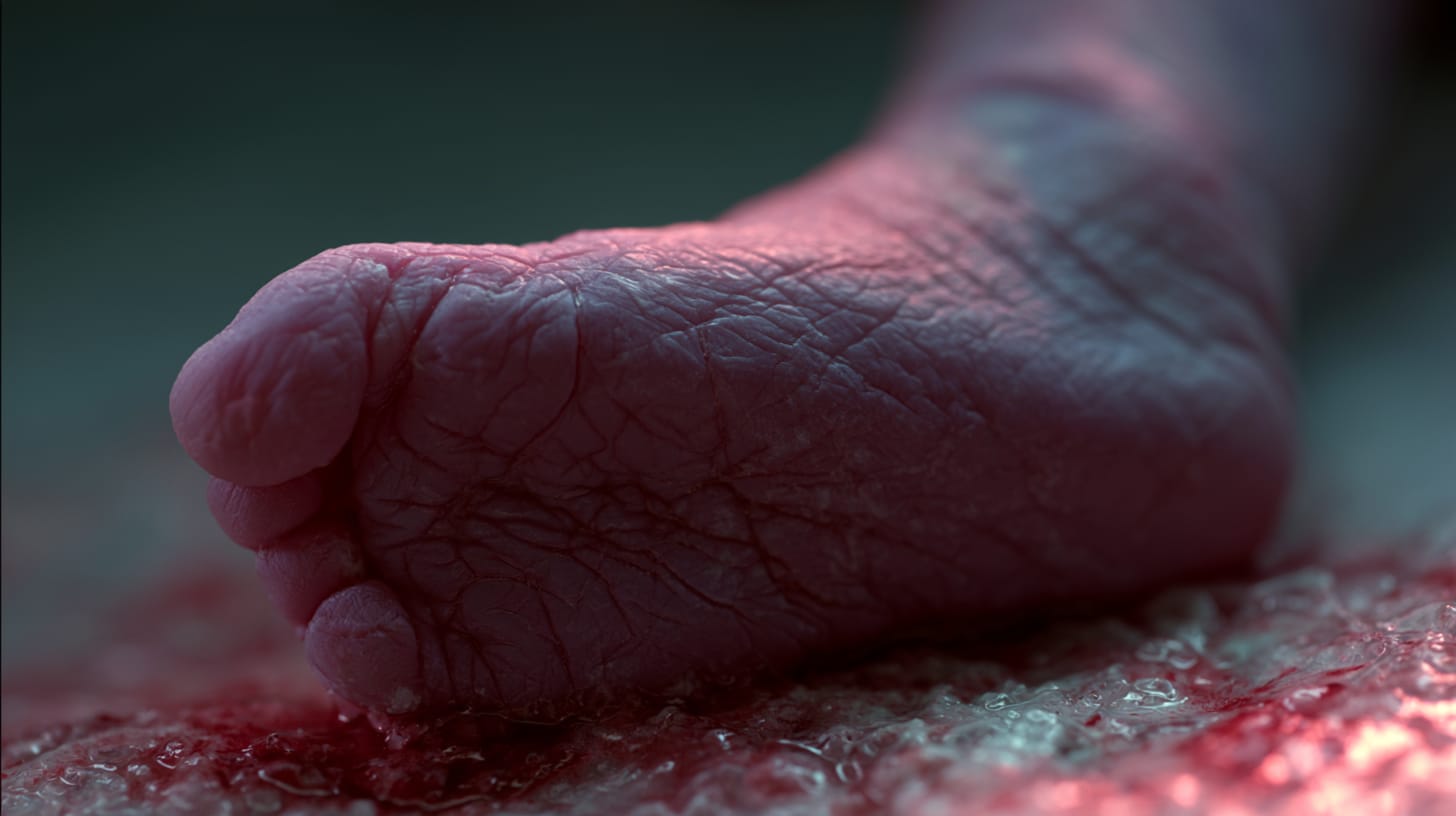
Then comes the part that’s easy to read straight past: the section doesn’t stay on animals. KeepFrom the Hebrew shamar — to watch over, guard, protect, give attentive care to. A shepherd shamar the flock. The keeping the feasts and sabbath requires is the attentive, protective engagement that creates the conditions for seeing what they reveal — not external compliance with a schedule. Synonyms: shamar, observe, guard, watch over. More going and it turns to us. A woman who has just given birth (Lev 12). Skin that breaks out (Lev 13–14). The body’s ordinary discharges (Lev 15). The block we file under “diet” spends most of itself not on the menu but on the human body — being born, breaking out, flowing, the plain conditions of a living person. No one is sinning in any of it; a newborn hasn’t done a thing. And still the same word — unclean — covers it.
So the question that pulled me in years ago, and I’ll leave it sitting here the way it sat with me: what is this whole thing actually about? If it were a food code, why does it spend so little of itself on food?
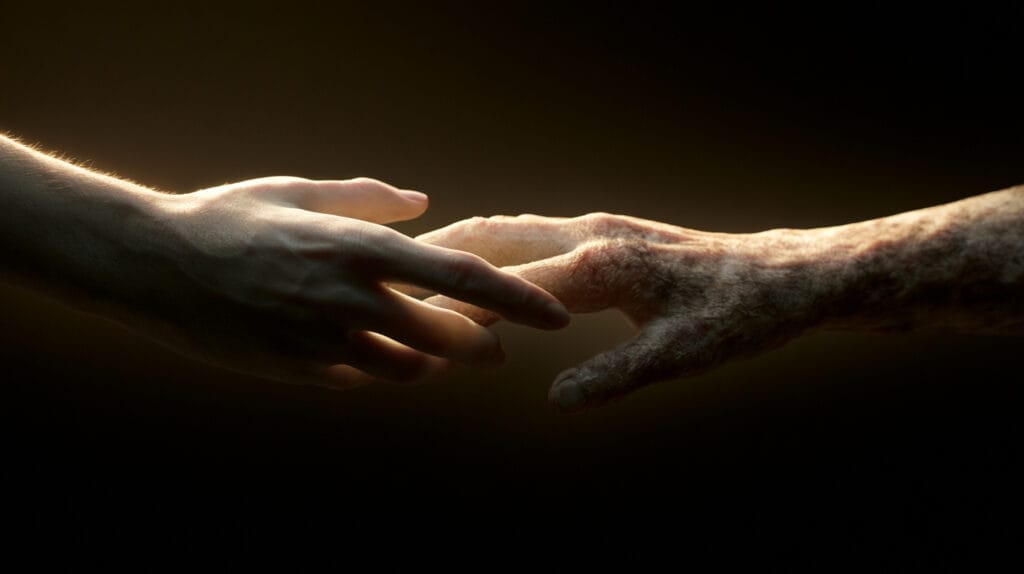
Here’s the piece I walked past for a long time — and I don’t think I’m the only one. We run the traits down the animals and sort them, clean from unclean, and never think to turn the same measure around and hold it against ourselves. So try it. We’re creatures of the ground — formed from the dust, returning to it (Gen 2:7; 3:19) — so measure us as a land creature. Do we chew the cud? Do we have a split hoof? Take us to the water: fins? scales? Hold up every trait the system uses to call a creature clean, run it down the man, and we come back unclean on every line. The text never says it in so many words. It lets the measure demonstrate it: by its own standard, we are a creature without the traits.
Let me be honest about one thing, because it’s the whole point. Leviticus never explicitly holds its measure up to man — it runs the traits down the animals, not down us. But the line isn’t ours to draw; the traits, the measure, the standard are all the text’s own. We’ve only carried its principle to the one creature it didn’t name. And we don’t even need that step for the thing to stand, because the body’s own chapters already said it plainly — born unclean, the body unclean — and the traits only confirm from outside what those chapters demonstrate from inside. Both roads arrive at the same place.
Which turns the whole thing over. We came to these chapters to learn which animals were off the table, and the measure came back pointing at us. Maybe the unclean was never mainly a fact about pigs — and the question worth sitting with isn’t which creatures the list names, but what it’s quietly demonstrating about the one holding the list.
A careful reader may already sense a tension here — a place where this seems to rub against something else in Scripture. We haven’t missed it, and it deserves its own look rather than a quick patch.