When Words Move
I picked up a dictionary the other day: the first English dictionary, from 1604, reprinted word for word in plain modern type. I couldn’t read half of it. Not the print — the words. Some are simply gone. Others I knew, but wearing meanings I didn’t recognize.
One stopped me. Dispose. The 1604 entry reads: “to set in order, to appoint.” That’s close to the opposite of what the word does for us now — today we dispose of things; we throw them away. Four hundred years turned “to put something carefully in its place” into “to get rid of it.”
Once I’d seen one, they were everywhere. Read these the way you’d read them today — then look again:
He who now letteth will let, until he be taken out of the way.— 2 Thessalonians 2:7
Let meant to hinder, to hold back — not the modern meaning, allow. The very opposite.
We which are alive… shall not prevent them which are asleep.— 1 Thessalonians 4:15
Prevent meant to go before, to precede — not the modern meaning, stop.
Suffer the little children to come unto me.
Suffer meant to permit — not the modern meaning, to hurt.
None of these are obscure words. We still use every one of them. And in each, the meaning we’d assume today isn’t merely different — it points the other way.
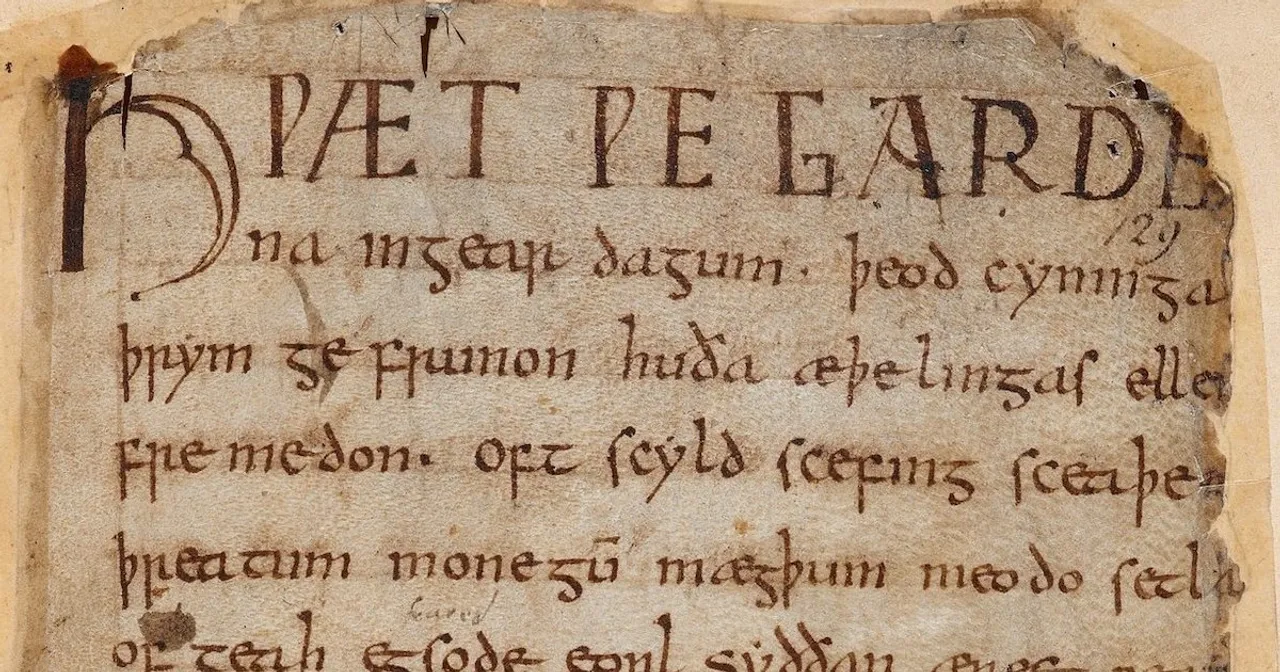
And four hundred years is the gentle version. The image at the top of this post is English too — the opening of Beowulf, written around the year 1000. Most of us can’t read a single word of it; even some of the letters are gone.
Sit with that for a moment. Four centuries reversed plain words; a thousand years made the language unrecognizable. And the Scriptures we read came to us through translators four hundred years back — out of languages two and three thousand years older still. If “let” could turn completely around in four centuries, what has quietly happened to the words we’re most sure we understand?
I’m not saying the words don’t matter; they’re what we have to read. The question is narrower than that: can the word, by itself, taken at face value, be trusted? When my mind hands me a meaning the instant my eye lands on a word — whose meaning is that? The text’s, or the one my own century quietly loaded into me?
But we have tools for that now — dictionaries, concordances, software. Don’t we?
That’s worth its own look.
See The Right Tool for the Job