Is The Bible The Word of God?
Most of us equate the Bible with “the Word of God.” But how does the Bible itself define that phrase? Two passages answer it directly — and without a word of commentary added.

Most of us equate the Bible with “the Word of God.” But how does the Bible itself define that phrase? Two passages answer it directly — and without a word of commentary added.

“Your word is a lamp to my feet and a light to my path.” We’ve read it a hundred times. But when the apostles read “your word,” they weren’t thinking about a book. Take another look.
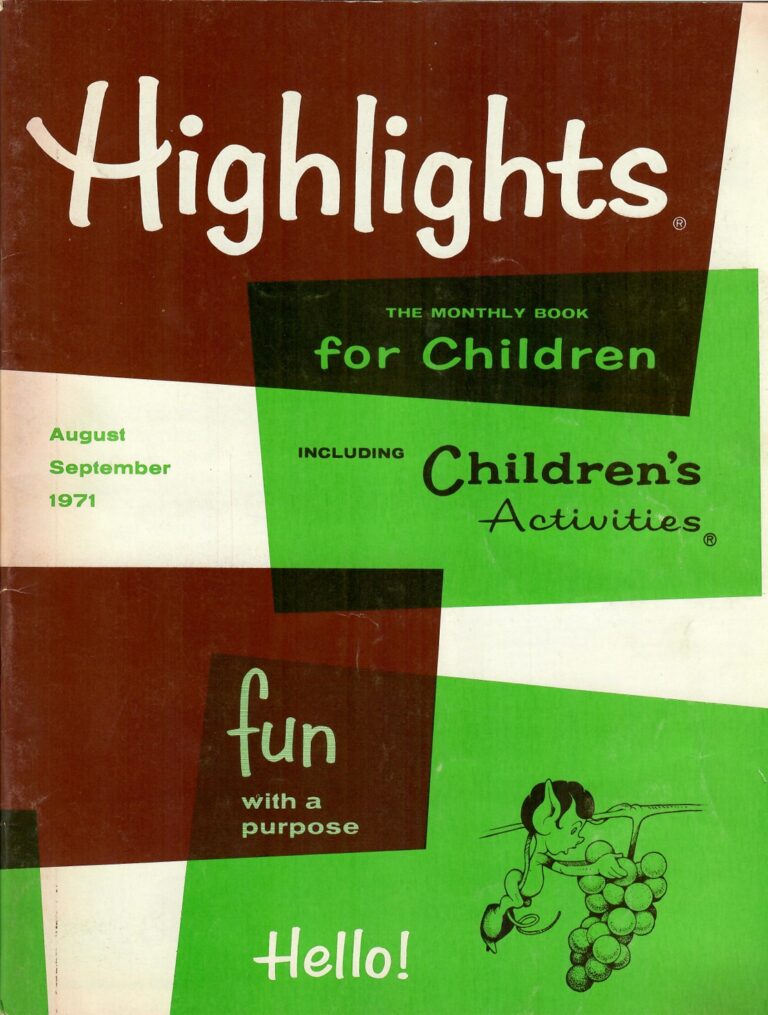
Scripture looks impossibly complex to most of us. But a child with a Highlights Magazine uses exactly the right skills — connecting dots, spotting what doesn’t fit, asking where something’s wrong with the picture. The complexity isn’t in the text. It’s in the scattered minds we bring to it.

“Disciple” just means student. And students ask questions. Jesus asked them constantly — why, what, how, where, who. Even from the cross: “My God, my God, why?” What happens to us when we stop asking and decide we already know?
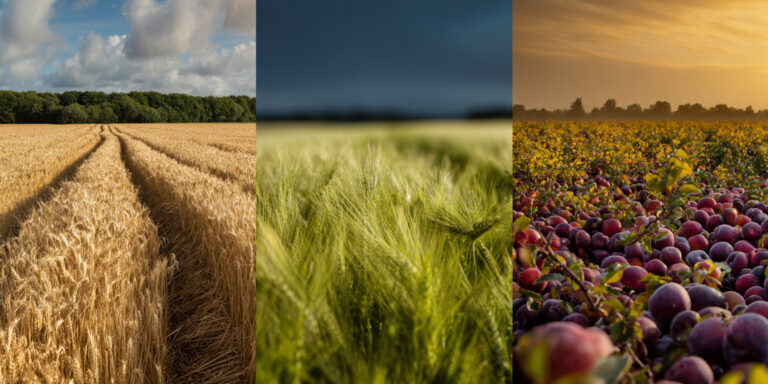
Seven feasts. But God specifically names three feast times — three seasons that group the seven. Why the distinction? One verse in James makes the grouping visible, and it changes how the whole calendar reads.

We think of understanding as something you acquire — study enough, grasp enough, and eventually you understand. But the Greek word the New Testament uses for “understanding” means something different: unification. A bringing together of what was scattered. Connecting the dots is the literal meaning.

Mix flour and water, add nothing, and in two days it leavens itself. Watch that happen, and Paul’s “become a new lump” — and what the old leaven really is — reads very differently.
The Bible runs to 66 books and hundreds of thousands of words — but a single thread runs through all of it. And “fulfill” turns out not to mean what either side of the usual argument assumes.
We read the cross as the answer to our sin — and it’s so deep in us we never check it. But watch what the Passover actually does at Calvary: the same thing it did in Egypt. The lamb is never called a sin offering, even there.
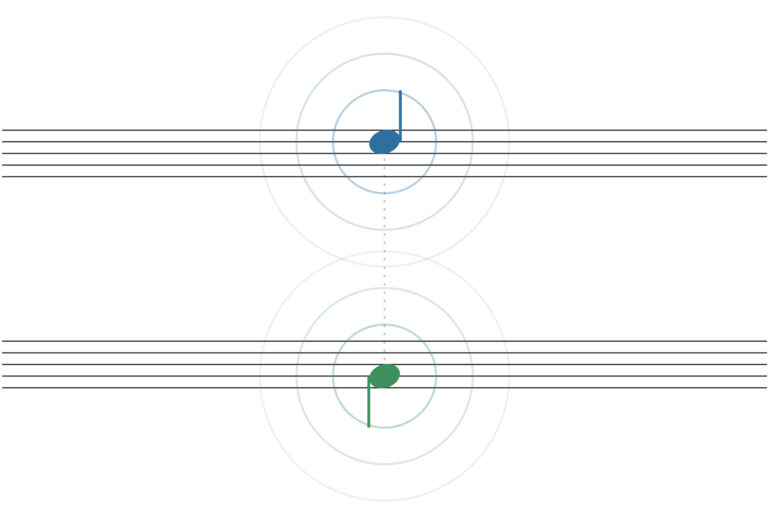
The feast calendar puts Atonement years past the cross. The cross says otherwise. Both are true — and the contradiction dissolves the moment you stop reading it as one straight line.