What Leaven Does
Bread and crackers are made of nearly the same stuff, but no one confuses them — and the Gospels kept two words for it too. Set aside the old fight over which one Jesus broke, and watch instead what leaven actually does.
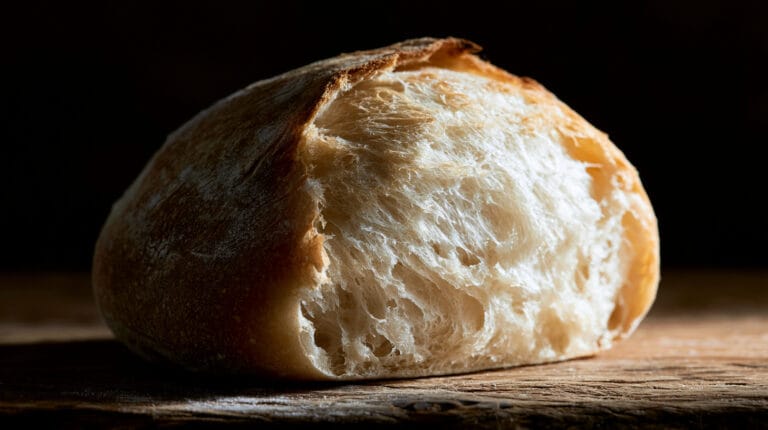
Bread and crackers are made of nearly the same stuff, but no one confuses them — and the Gospels kept two words for it too. Set aside the old fight over which one Jesus broke, and watch instead what leaven actually does.
For seven days each year, every trace of leaven is swept from the house. If leaven never meant sin, what is actually being cleared out — and why does it come back, risen, by Pentecost?
Paul never saw the cross — he came in years late, on the wrong side of it — yet no one in the New Testament staked more on it than he did. Why would a man build everything on an afternoon he wasn’t there for?
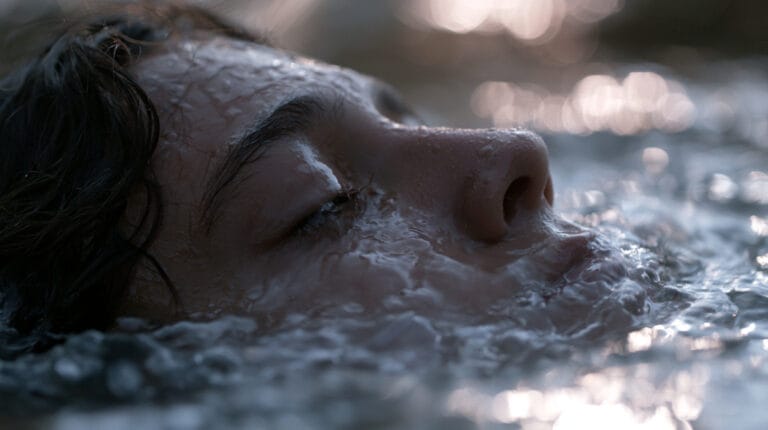
Strip the familiarity off a baptism and it’s a strange thing to do to someone — laid all the way back until the water closes over the face, held under, then lifted out. A staged death, with a rising on the end of it. And the claim underneath it is stranger still: that it’s his death, and we’re joined into it — even those of us who weren’t there.
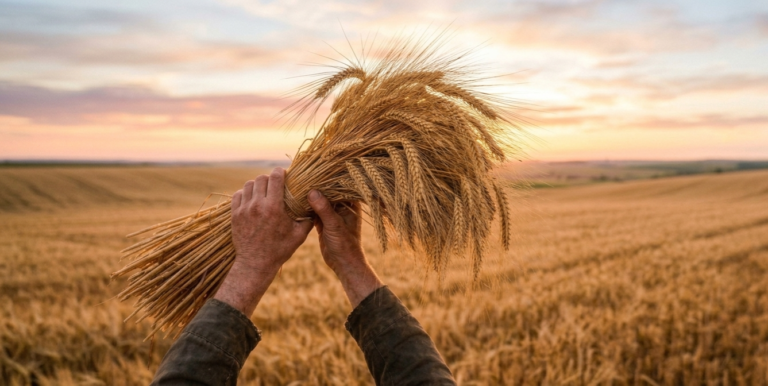
Every feast God gave sits on a fixed date — except one. The Feast of Weeks you don’t look up; you count to it. And the day you count from refuses to sit still. Why does Pentecost slide?
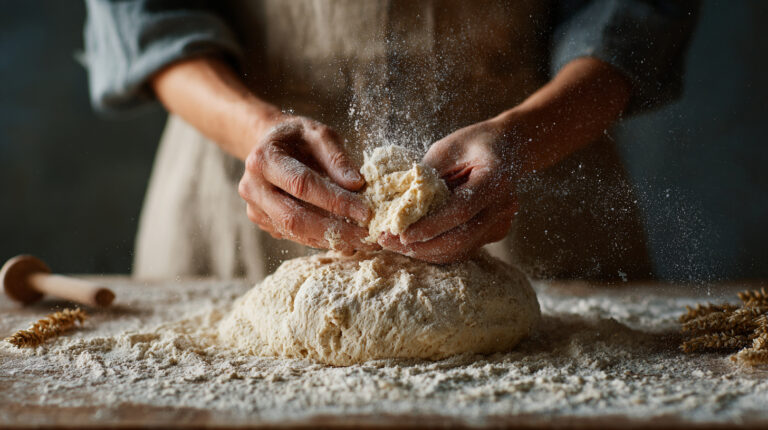
“The kingdom of heaven is like leaven…” If leaven is a symbol of sin, why would Jesus compare the kingdom of God to it? A few questions worth sitting with — Matthew 13:33.
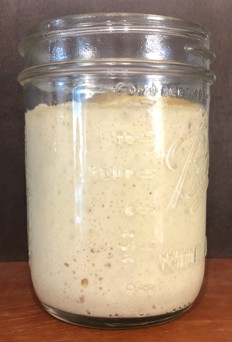
Mix flour and water, add nothing, and in two days it leavens itself. Watch that happen, and Paul’s “become a new lump” — and what the old leaven really is — reads very differently.
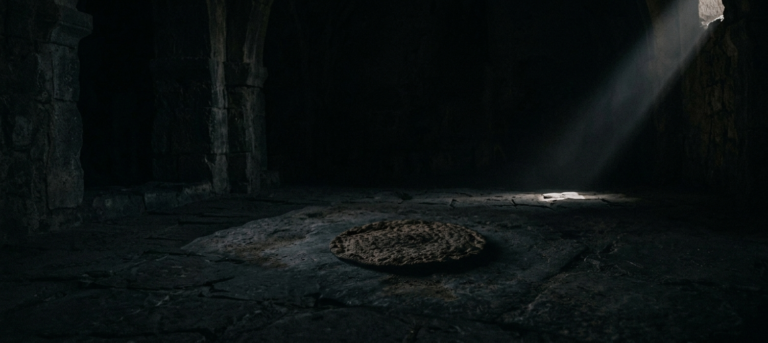
We read the cross as the answer to our sin — and it’s so deep in us we never check it. But watch what the Passover actually does at Calvary: the same thing it did in Egypt. The lamb is never called a sin offering, even there.
Almost all of us read the Passover as being about sin. But open Exodus 12 and notice what the lamb is never once called. The whole account is pointing somewhere else.
“The kingdom of heaven is like leaven.” The sentence should stop us — because most of us were handed a reading that makes it impossible. What if leaven was never sin at all?