
Was the Passover a Sin Offering? — in Ancient Israel
Continues from: Does Leaven Really Mean Sin? — that post clears away “leavenIn the biblical symbol-system, leaven is amoral — neither good nor evil in itself. It represents doctrine, teaching, knowledge, influence: the system that permeates whatever it enters and transforms it from within. The type of leaven matters; "the leaven of the Pharisees" is their doctrine, not leaven as a category. Synonyms: yeast, leavening. See Does Leaven Really Mean Sin? More = sin”; this one clears away something larger.
Read the institution of the PassoverThe LORD's Passover, kept on Nisan 14 (Lev 23:5): the lamb slain and its blood marking the houses spared in Egypt (Ex 12). The New Testament presents Christ as the Passover lamb (1 Cor 5:7), making it the opening act of the feast year. Synonyms: Pesach. See Was the Passover a Sin Offering? — at the Cross More in Exodus 12 and notice what the lamb is never called. It is the Passover. It is not a sin offeringHebrew chatat — the offering prescribed specifically to deal with sin (Leviticus 4), distinct from the Passover. The Passover lamb is never called a sin offering; reading sin into Passover folds a later, separate offering back onto it, where Scripture keeps the two carefully apart. See Was the Passover a Sin Offering? — in Ancient Israel More. Not there, not later, not anywhere does Scripture name the Passover lamb a sin offering. Most of us read straight past that, because we arrive already certain that Passover is about sin — but the text simply never says so. And that one silence is more telling than it looks, because it runs against how almost everyone reads the feast.
None of this denies that sin must be dealt with, or that ChristNot a surname but a title: the Greek Christos, rendering the Hebrew Mashiach (Messiah) — "the Anointed." The anointing that set apart Israel's kings, priests, and prophets all converges on the one person it was pointing to. Synonyms: Messiah, Anointed, the Anointed One, Mashiach, Christos. See also: Logos More deals with it — he does. The claim is narrower: that work belongs to its own feast, AtonementAn English construction — at-one-ment — coined by Tyndale, not a direct translation. The Hebrew behind it, kaphar, means to cover, sharing its root with kapporeth — the cover of the ark, the mercy seat. The Day of Atonement centers on the High Priest bringing blood to that cover. The act and the object are the same word pointing at the same reality. Synonyms: Day of Atonement, Yom Kippur, kaphar, kapporeth. More, further along the sequence and on its own level. Passover is doing something else — and reading it as the sin offering buries what that something else is.
Read the whole account with that silence in mind and a pattern surfaces. Through the plagues, the night of the lamb, the hurried departure, the sea closing behind them — God’s concern is not Israel’s sin. It is Israel’s removal. Getting them out: out from under Pharaoh, out of Egypt, out of the system that held them. This first stage has one concern, and it is not sin. Even where the gods of Egypt come up, it is not to warn Israel away from them — it is to judge them: “against all the gods of Egypt I will execute judgment” (Exodus 12:12). The false gods are something God is breaking in order to get His people out, not something He is policing in His people.
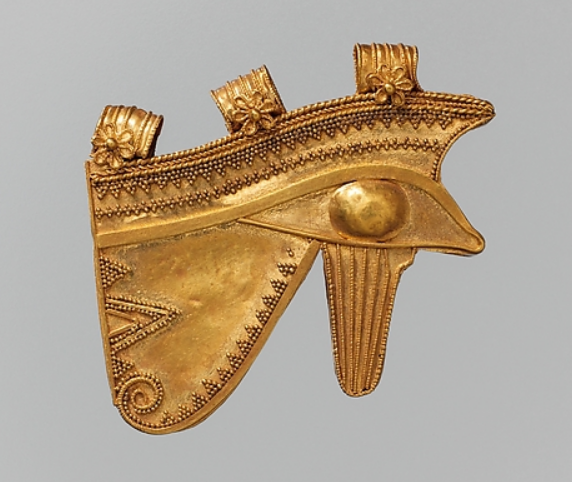
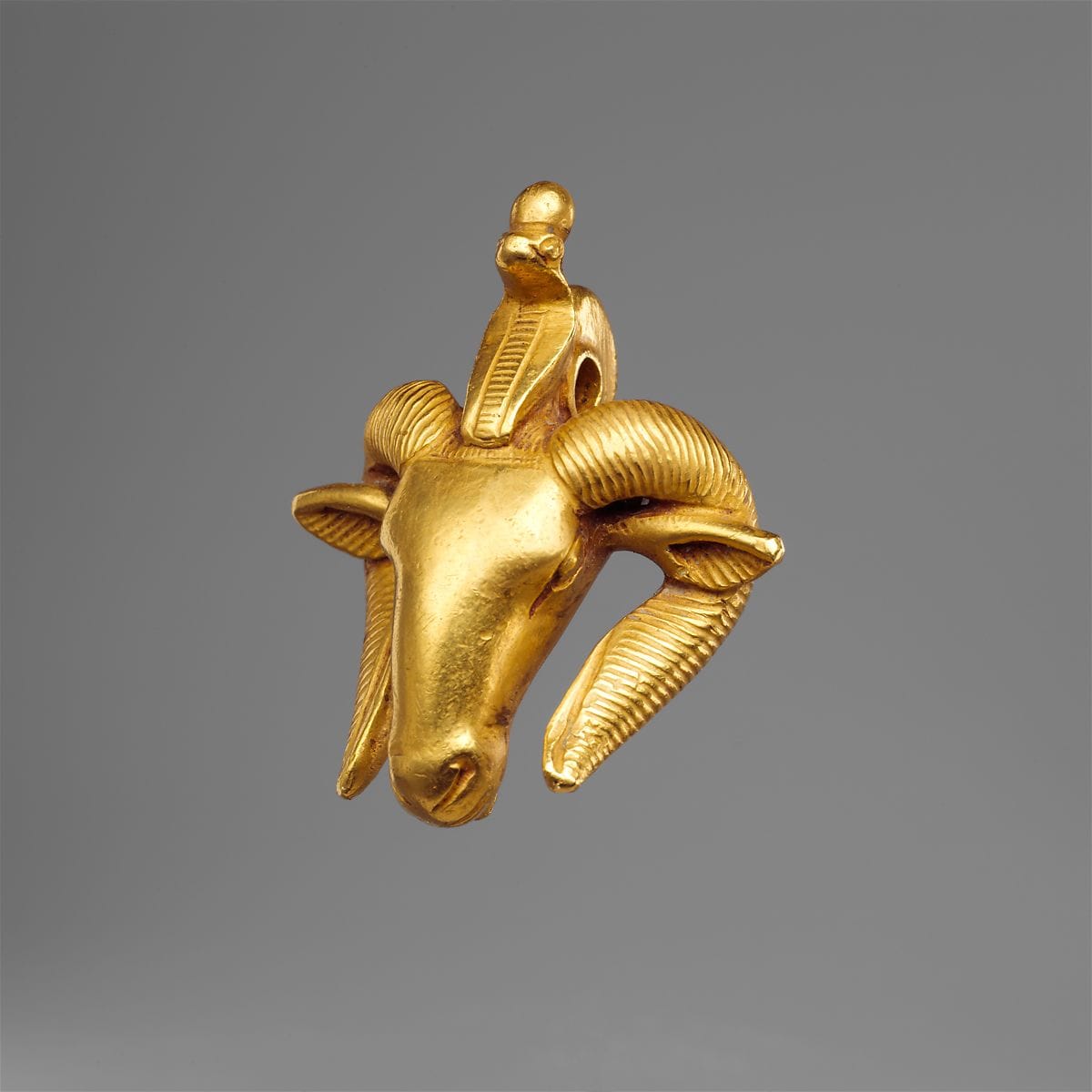
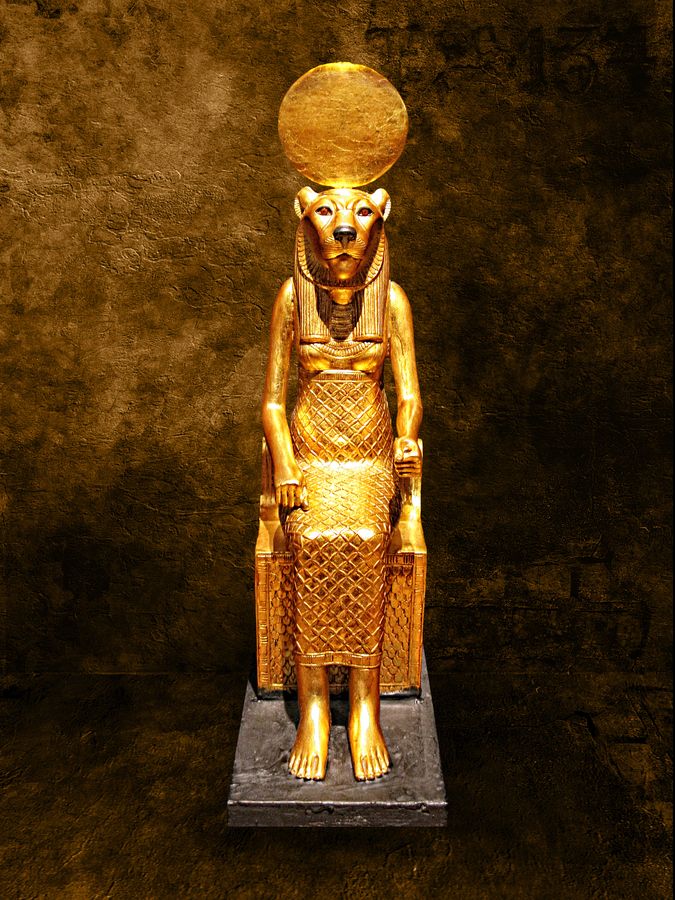
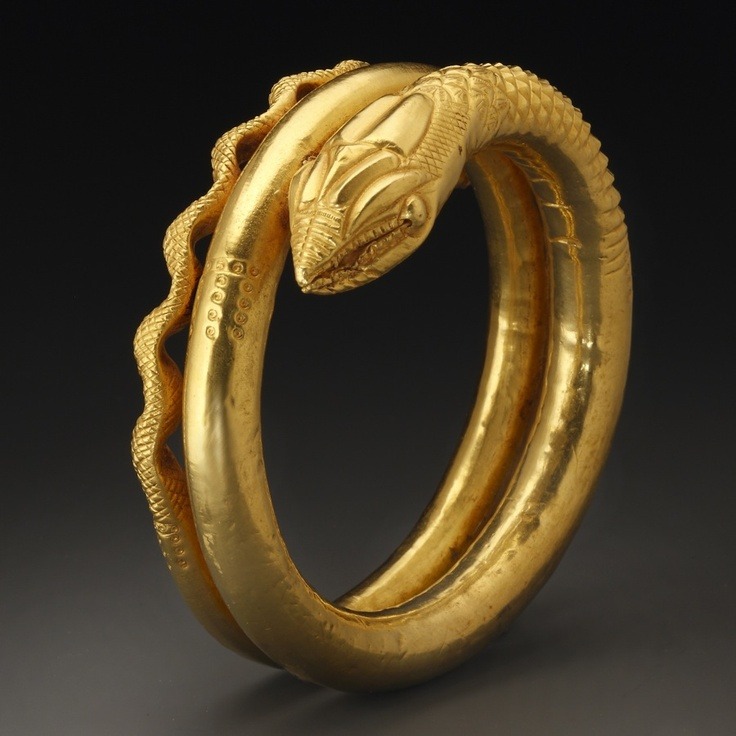
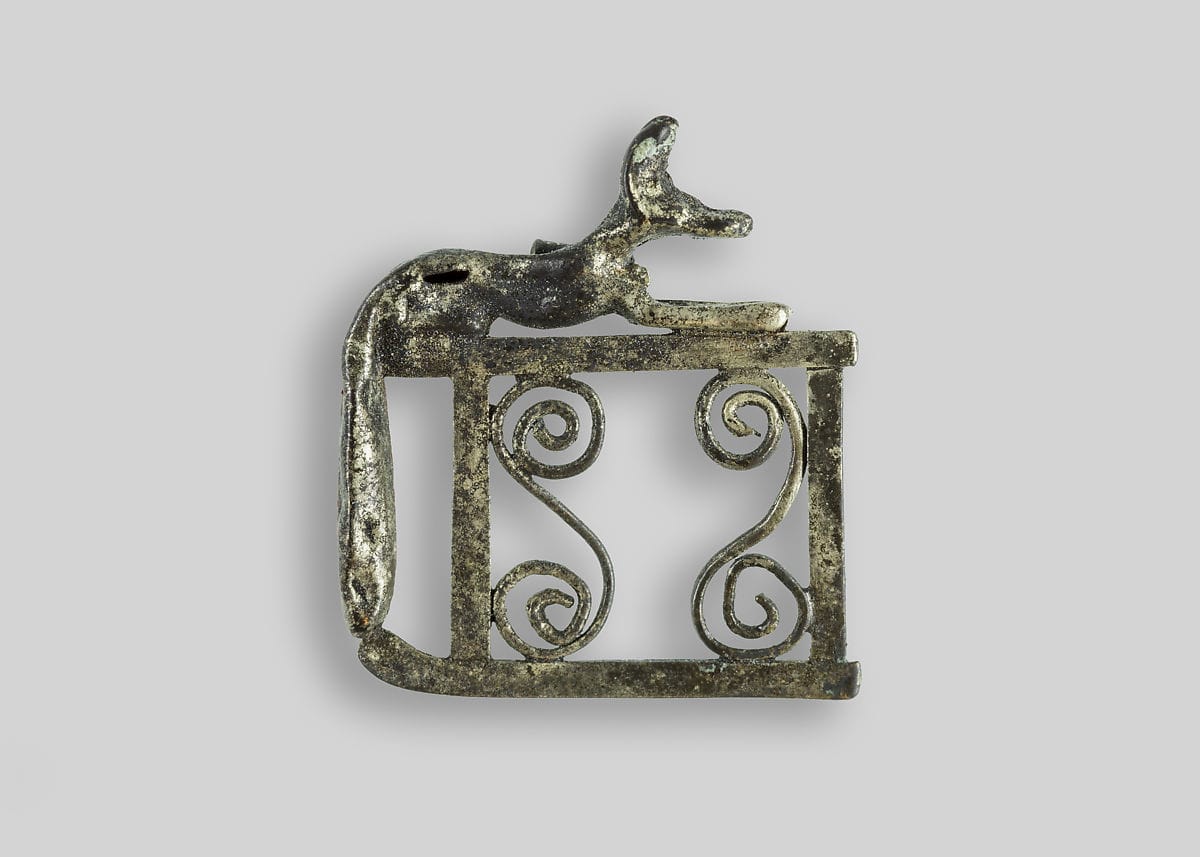
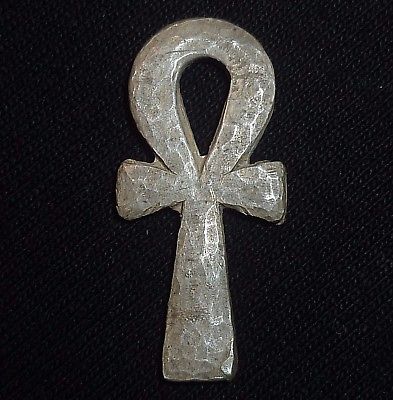
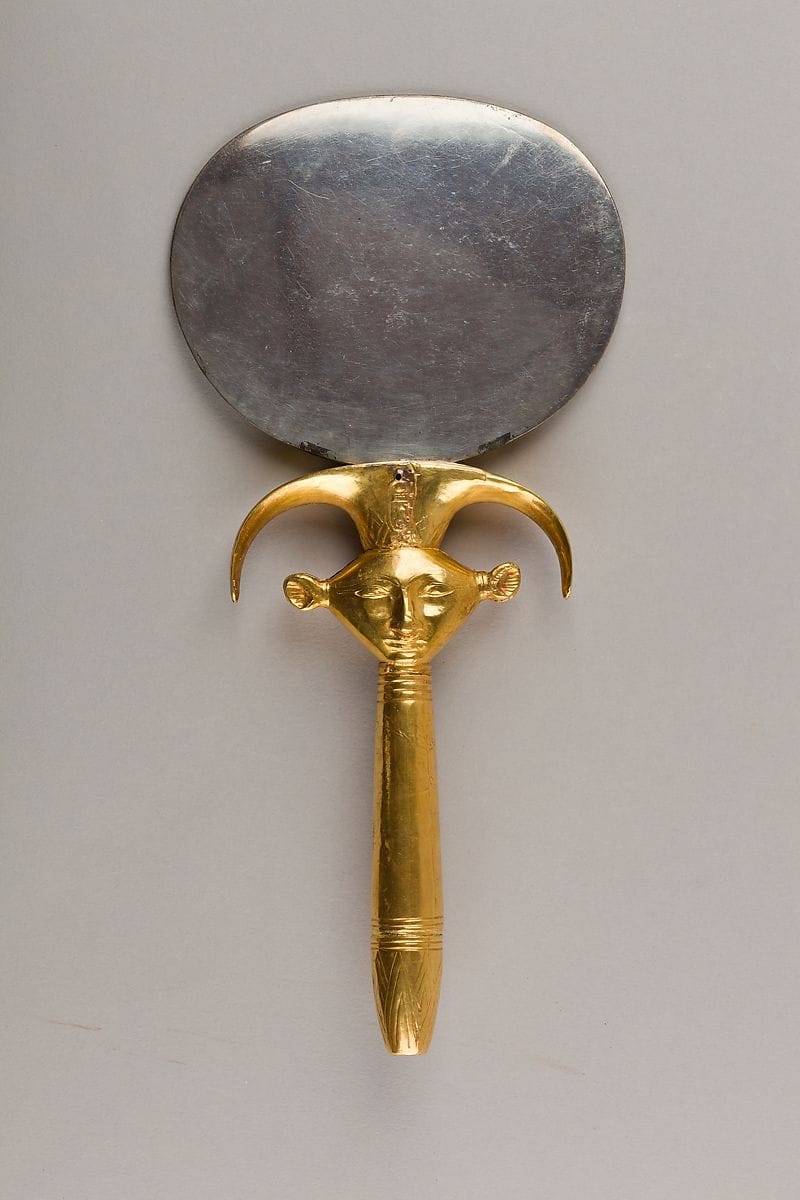
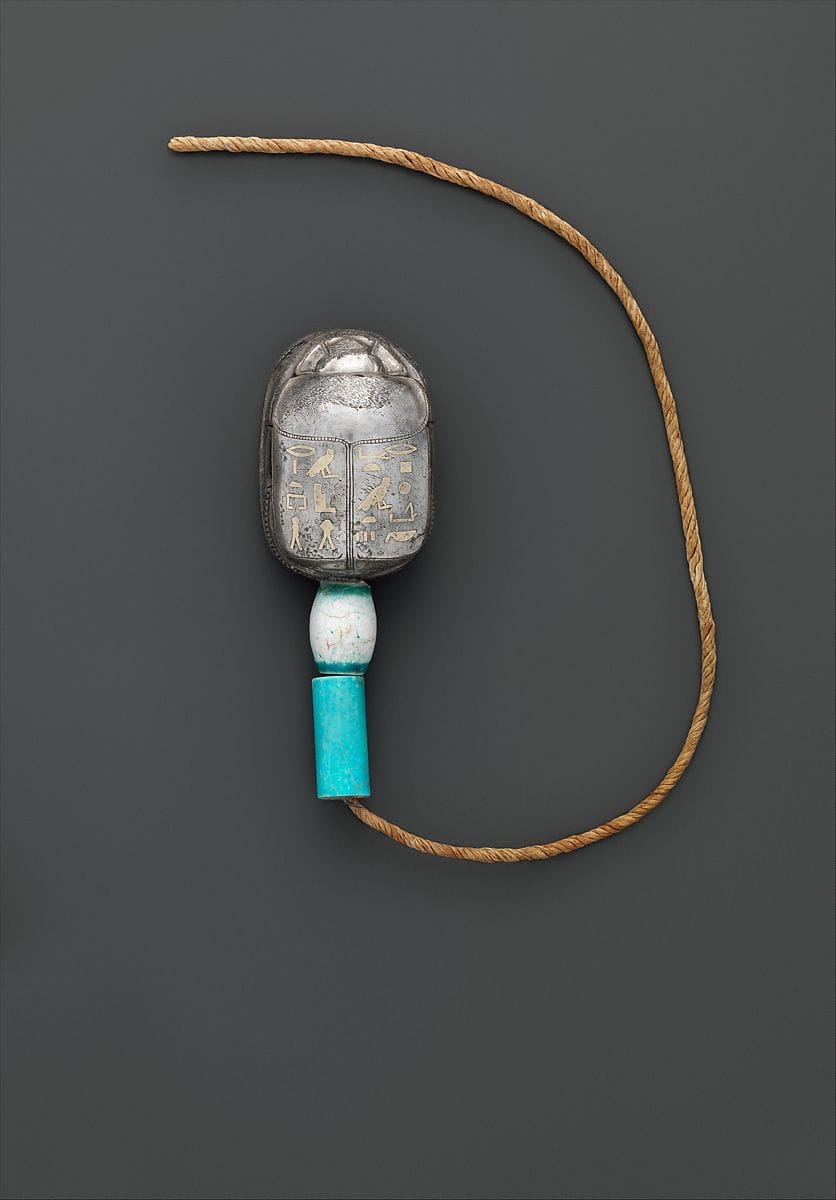
WatchIn plain English, to observe means to see attentively — to give careful, focused attention to something. This is precisely what the Hebrew shamar points at: watchful, protective attention toward something valued. In religious usage, "observe" has been reduced to performing an external requirement. Synonyms: shamar, keep, watch, guard. More how far that goes. On the way out, God has Israel ask the Egyptians for their silver and gold (Exodus 11:2; 12:35) — and in Egypt, gold and silver were the very substance of gods: amulets, ritual vessels, the eye of Horus, small figures of Amun and Anubis and Sekhmet. It is hard to picture Israel walking out without carrying god-images by the armful. And God — who within weeks will forbid exactly this — gives not one word of warning. Why not? Because this stage was never about their compliance. It was about getting them out. The clean slate is His to give; the leaven they carry out with the gold is what the days ahead will have to work through. He brings Israel out of Egypt before He has dealt with the Egypt still in them.
And the one who does keep bringing sin up is Pharaoh. “This time I have sinned,” he says after the hail (Exodus 9:27). “I have sinned… forgive my sin once more,” after the locusts (10:16-17). And each time, the moment the pressure lifts, his heart goes hard again. He names the wrong, feels the weight of it, and is not changed by it. “Godly sorrow worketh repentancemeta (change) + nous (mind): deeper than the English 'repentance.' A renovation of perception — the "renewing of your mind" Paul urges (Romans 12:2) — from which a real change of direction follows. See also: The Mask and the Metamorphosis. More to salvation… but the sorrow of the world worketh death” (2 Corinthians 7:10). Pharaoh is the face of the system Israel is being removed from — the whole machinery of the world, if you will — and his way with sin is the counterfeit: a confession that accounts for the offense and changes nothing. Israel carried his gold out of Egypt. The danger was always that they would carry his outlook out too — and the history that follows says they did.
This is not to say that sin and its offering have no place. They do — but at a later stage in the sequence, on its own level. The error is not believing in the sin offering; it is folding it back into the Passover, where the text keepsFrom the Hebrew shamar — to watch over, guard, protect, give attentive care to. A shepherd shamar the flock. The keeping the feasts and sabbath requires is the attentive, protective engagement that creates the conditions for seeing what they reveal — not external compliance with a schedule. Synonyms: shamar, observe, guard, watch over. More it carefully apart. Passover is deliverance. It is God getting His people out.
There is a wider question the order keeps pressing. The law doesn’t arrive until Sinai — chapters past the lamb, past the sea, past the deliverance. So which came first: the law, or the larger system it arrived within? We are used to reading the feastsIn Scripture a feast — Hebrew chag — is a designated period, not a single day but a span with its own structure and sequence. The Feast of Weeks spans seven weeks; the Feast of Tabernacles, seven days. A feast may contain one or more annual holy days, but the feast itself is the full period, not any single day within it. A feast is not the same as a holy day (a sabbath), though the two connect and can coincide — the Feast of Trumpets is itself a holy day, and Atonement is both a feast and a holy day. Synonyms: festival, appointed time, moed. More through the law, holding them up to see whether they measure up. What happens if we turn it around and read the law through the feasts? Which is the part, and which is the whole it belongs to? The Exodus has already set the order on the page — a deliverance that came long before the first commandmentFrom the Hebrew Torah — instruction, direction — rooted in yarah, to aim as an archer toward a target. Never primarily legislative. The stone tablets were hidden inside the ark, inside the most holy place, mediated by a priest. The promise was always to move that instruction from stone to flesh — from concealment behind a veil to working from within the person. Synonyms: Torah, nomos, instruction, teaching, commandment, mitzvah. More.
And once that lands — once Passover stops being about sin and goes back to being about coming out — something opens that was closed before. With the slate wiped, the question of what sin actually is can finally be asked without the old answer already sitting in the chair. But it doesn’t get answered here. The Days of Unleavened BreadThe seven days following Passover — Nisan 15 through 21 — when leaven is put out and only unleavened bread is eaten (Lev 23:6). Scripture calls that bread the "bread of affliction," tied to leaving Egypt in haste (Deut 16:3) — a fuller sense than leaven simply standing for sin. Synonyms: Feast of Unleavened Bread, Unleavened Bread, ULB. See Does Leaven Really Mean Sin? More don’t so much end as hand off: the count toward PentecostThe fiftieth day — the annual holy day (a sabbath) that closes the Feast of Weeks, the culmination of its seven-week count. In Acts 2, the day the Spirit was poured out on the gathered ekklesia. The Greek pentēkostē simply means fiftieth. Pentecost is the holy day, not the feast itself — the feast is the seven weeks it completes. The connection between Pentecost and the eternal Jubilee cycle is explored in From Fifty Days to Eternity. Synonyms: pentēkostē. More begins inside them, at the wave sheafThe first of the firstfruits of the harvest — a single unleavened sheaf lifted and waved before God on the day after the Sabbath during the Days of Unleavened Bread. It marks the transition into the counting period of the Feast of Weeks. 1 Corinthians 15:20-23 identifies Christ as the first of the firstfruits of the resurrection — the wave sheaf pointing precisely at him. Synonyms: wave offering, firstfruits offering, omer. See The Feast of LEAVENED Bread More, while the unleavened days are still running. The understandingIn the New Testament this is synesis — a bringing-together: scattered pieces drawn into one cohesive whole, not a quantity of information accumulated. In plain terms it is connecting the dots — understanding is unification, not accumulation. Synonyms: synesis, unification, insight, discernment See The Importance of Understanding in Jesus Christ More comes down that road — lived, not defined — as the feast that begins in Egypt keeps moving toward the One it was always pointing to.