What Leaven Does
Bread and crackers are made of nearly the same stuff, but no one confuses them — and the Gospels kept two words for it too. Set aside the old fight over which one Jesus broke, and watch instead what leaven actually does.
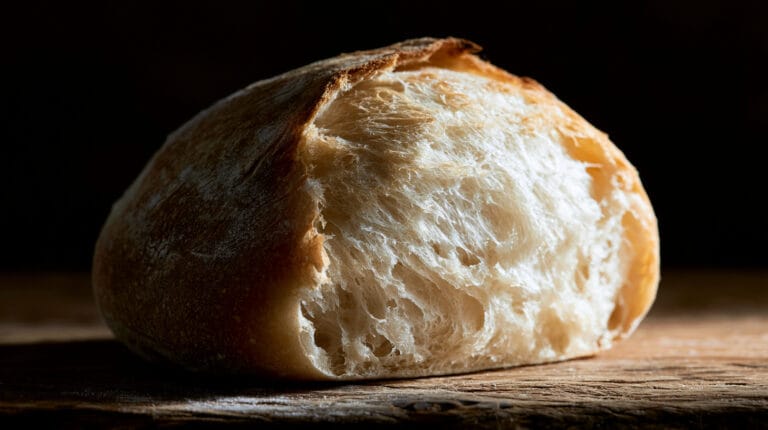
Bread and crackers are made of nearly the same stuff, but no one confuses them — and the Gospels kept two words for it too. Set aside the old fight over which one Jesus broke, and watch instead what leaven actually does.
For seven days each year, every trace of leaven is swept from the house. If leaven never meant sin, what is actually being cleared out — and why does it come back, risen, by Pentecost?
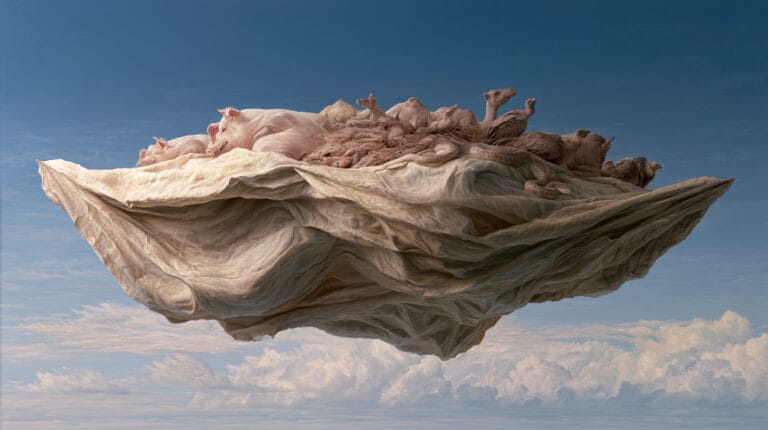
A sheet full of unclean animals comes down out of heaven, and Peter reads it as being about people, not pork. The New Testament keeps treating the unclean creatures as a kind of language — and Christ did too.
Words are only one of the languages we speak. A look at symbolism as the bridge between words and reality — and at one symbol, death, sounding the same note at every level, from a garden to the Holy of Holies.
To “observe” the commandments has quietly come to mean perform them. But the word means to watch — to see. That single shift is the difference between a mask and a mirror.

Why is it called the tree of the knowledge of good and evil — and not, simply, the tree of death? Two trees at the center of the garden, and their names don’t match the way you’d expect.
A wedding runs out of wine. Jesus says “not yet” — then does it anyway. Two odd snags in one short story. What if they were put there on purpose?
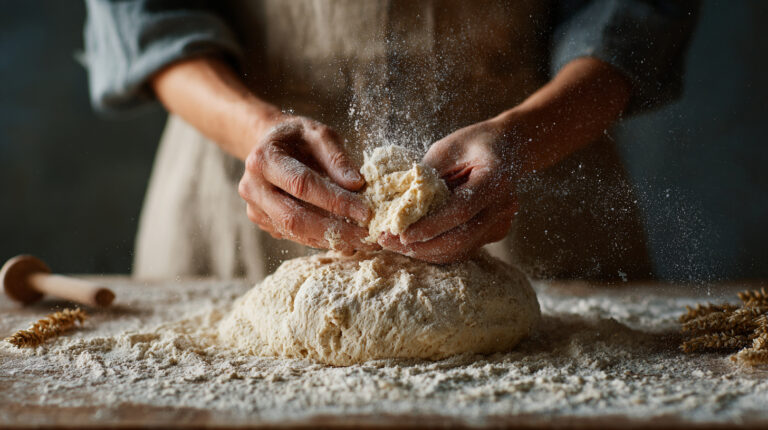
“The kingdom of heaven is like leaven…” If leaven is a symbol of sin, why would Jesus compare the kingdom of God to it? A few questions worth sitting with — Matthew 13:33.

“Your word is a lamp to my feet and a light to my path.” We’ve read it a hundred times. But when the apostles read “your word,” they weren’t thinking about a book. Take another look.
Mix flour and water, add nothing, and in two days it leavens itself. Watch that happen, and Paul’s “become a new lump” — and what the old leaven really is — reads very differently.