The Key of Knowledge
Before the tree, Judas went back to the temple — and the men who held the key of knowledge handed him a wall instead of a door. A look at the key that opens or locks, and whose hand finally holds it.
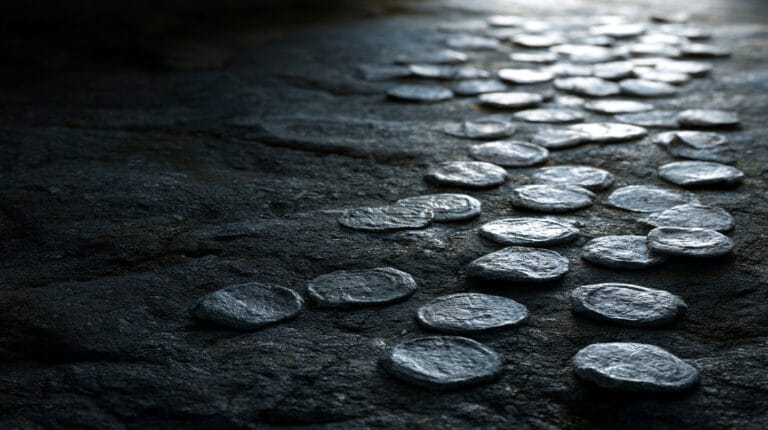
Before the tree, Judas went back to the temple — and the men who held the key of knowledge handed him a wall instead of a door. A look at the key that opens or locks, and whose hand finally holds it.

I catch myself reaching for the verse, the correction — the thing I know that they apparently don’t. A look at the danger Paul names: knowledge puffs up, but love builds up.

Close one eye and the room goes flat. Reading and study are the two eyes we bring to the Bible — and the depth is in the two together, not in either alone.

To “observe” the commandments has quietly come to mean perform them. But the word means to watch — to see. That single shift is the difference between a mask and a mirror.

Why is it called the tree of the knowledge of good and evil — and not, simply, the tree of death? Two trees at the center of the garden, and their names don’t match the way you’d expect.

You can know a voice on the phone before a single word means anything. What if Scripture could be heard the same way?
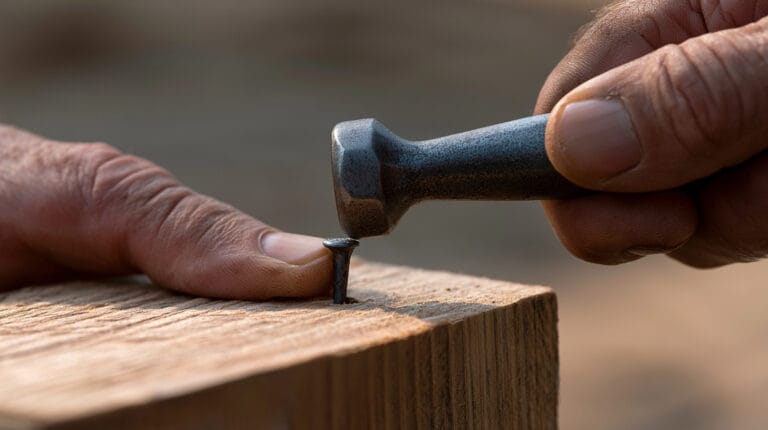
Concordances and lexicons: the right tool for one job, the wrong tool for another. One Greek word — epithumia, rendered both “desire” and “lust” — shows why.
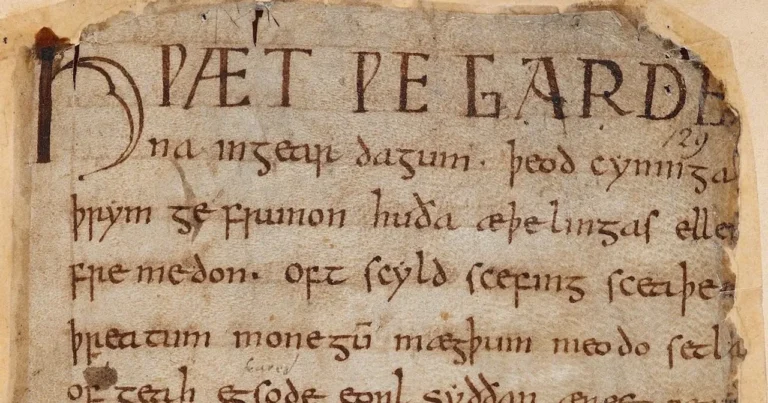
I picked up the first English dictionary, printed in 1604, and couldn’t read half of it. One word stopped me cold — and it’s all over the Bible.
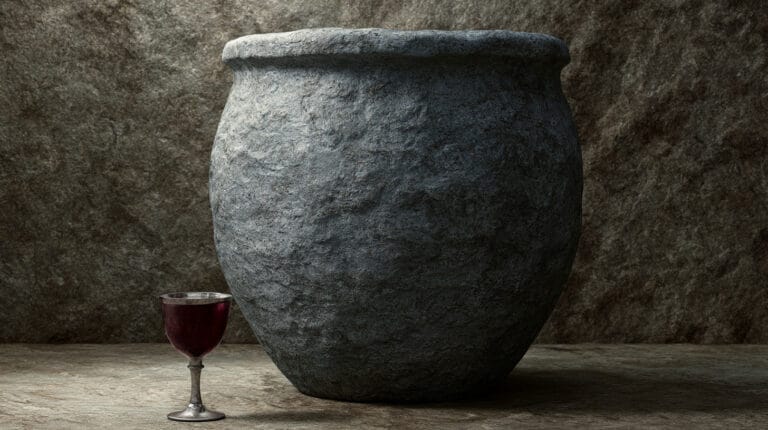
A wedding runs out of wine. Jesus says “not yet” — then does it anyway. Two odd snags in one short story. What if they were put there on purpose?

Strip the familiarity off a baptism and it’s a strange thing to do to someone — laid all the way back until the water closes over the face, held under, then lifted out. A staged death, with a rising on the end of it. And the claim underneath it is stranger still: that it’s his death, and we’re joined into it — even those of us who weren’t there.