Both Eyes Open
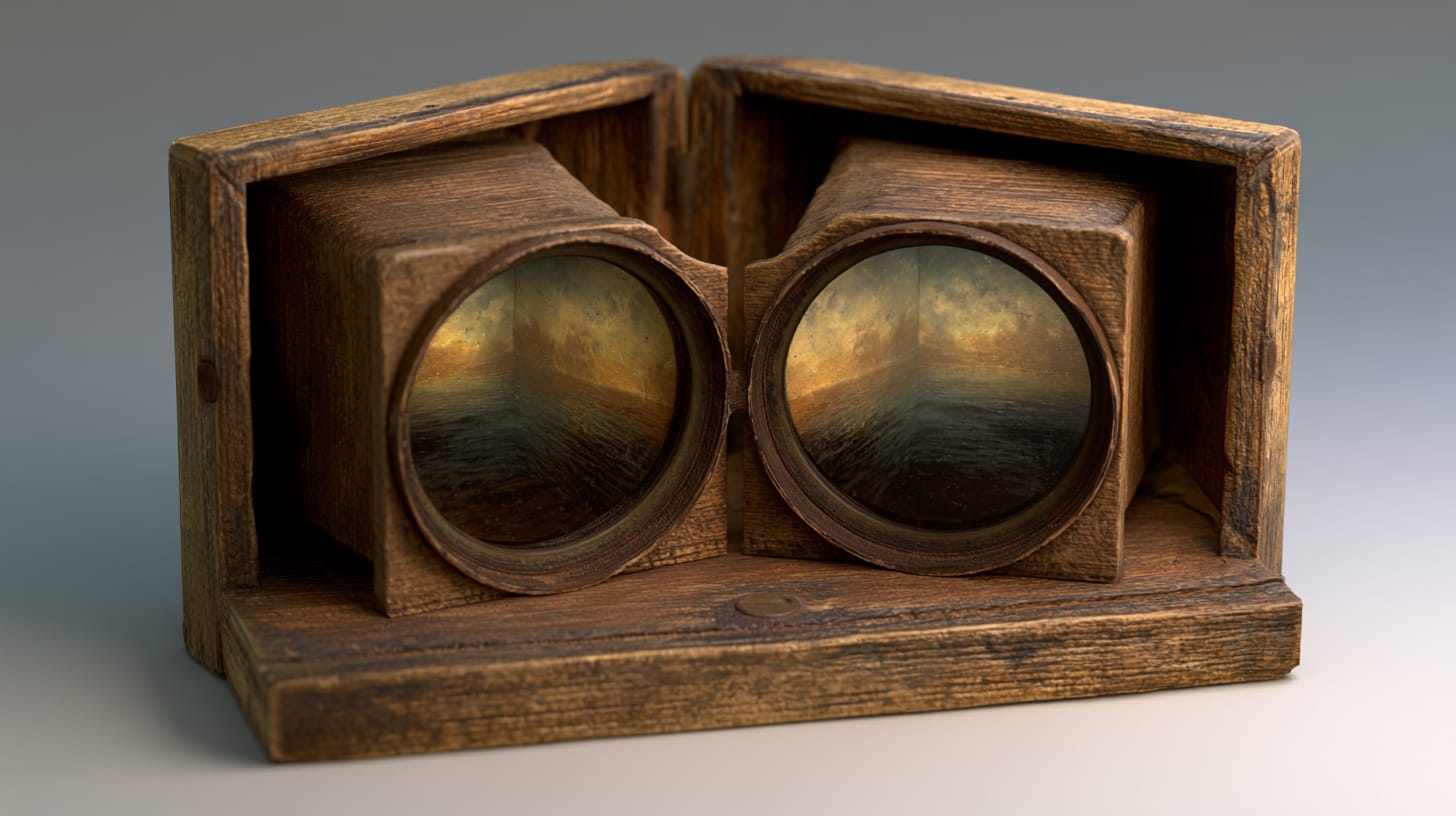
Close one eye and look across the room. Everything is still there — but it has gone flat. The distances collapse; it’s hard to tell what stands in front of what. Open the other eye and the room gains depth. Nothing was added to the room; a second view was. Depth doesn’t come from a better eye. It comes from two eyes seeing the same thing from slightly different angles, and the mind fusing the two.
There are two ways we come to the Bible, and they work the same way.
One is reading — and not the close kind first, just reading: broadly, the way we’d read anything, a book start to finish, letting it go by. This gets treated as the lesser mode, but it does something study cannot. It keepsFrom the Hebrew shamar — to watch over, guard, protect, give attentive care to. A shepherd shamar the flock. The keeping the feasts and sabbath requires is the attentive, protective engagement that creates the conditions for seeing what they reveal — not external compliance with a schedule. Synonyms: shamar, observe, guard, watch over. More the whole in view. It lets passages wander in that we’d never have gone looking for. It lets one part quietly comment on another. And every so often, in the middle of plain reading, something catches — a word, a repetition, a detail that will not sit flat. (The old teachers called this remez(Hebrew, "hint") — a detail on the surface of a text, often an oddity or apparent inconsistency, that points past itself and invites a closer look. In the traditional four levels of Hebrew reading it is the second, the "hint": the plain sense is not wrong, but it is not the whole. Synonyms: hint, allusion. See An Entire Message More — a hint, a thing that snags the attention.) We weren’t studying for it. We were only reading, and it surfaced.
That snag is a question.
The other way is study — going after the thing that caught us. Slowing down, comparing, following a word to wherever else it is used, sitting with what it actually means. Study earns the detail that reading can only point at.
But notice where the honest kind begins: with a question the text raised, not a conclusion we carried in. That is the difference between study and a silo. The silo settles the verdict first and then goes looking for verses to defend it — calling only the witnesses that agree and quietly excusing the rest. It can be remarkably thorough. It is still one eye shut. The text reads flat because we already knew what we were going to see.
So which is better — reading or study? It’s the wrong question, like asking which eye gives us depth. Neither does. The depth is in the two together: reading holds the picture wide, study brings the detail close, and the back-and-forth between them sees what neither sees alone. We read until something snags; we study until we see it; and the seeing sends us back to reading with a sharper eye.
It is worth asking which eye we tend to keep shut. Some of us only skim, and never go after what catches. Some of us only study — narrowly, to confirm — and never read widely enough to be surprised. Jesus met people who had searched the Scriptures harder than anyone:
Ye search the scriptures; for in them ye think ye have eternal life: and they are they which testify of me. And ye will not come to me. — John 5:39-40 KJV
One eye open, fixed on the text — and they missed the One it was pointing at.
Both eyes. Read as if the whole thing matters, study as if the details do, and let them give back the depth that was there all along.