Chewed, and Walked
The clean land animal chews the cud and has a split hoof — two traits, both required. And the measure has already turned on us. So what are they measuring in us?

The clean land animal chews the cud and has a split hoof — two traits, both required. And the measure has already turned on us. So what are they measuring in us?
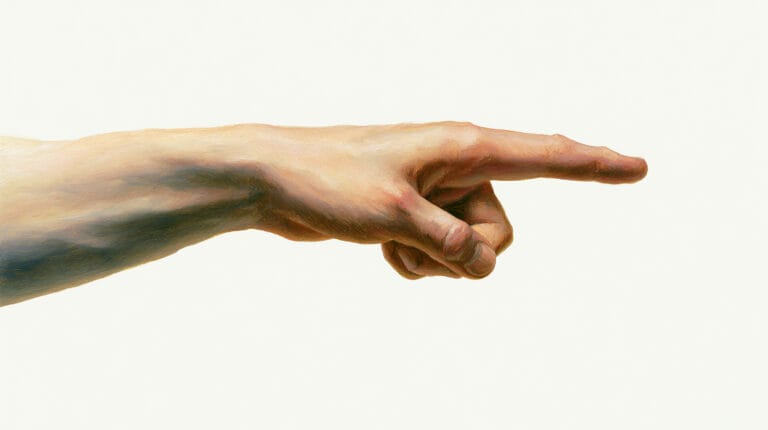
We have said that man is the unclean creature. And we have heard Peter told to call no person unclean. So which is it — are we unclean, or are we forbidden to say so?
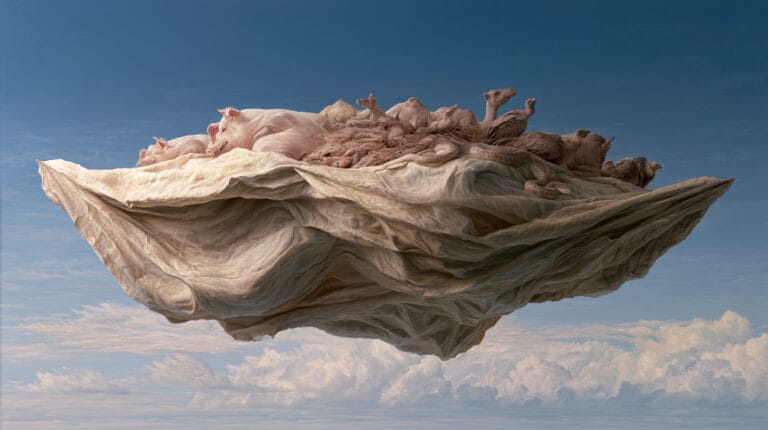
A sheet full of unclean animals comes down out of heaven, and Peter reads it as being about people, not pork. The New Testament keeps treating the unclean creatures as a kind of language — and Christ did too.
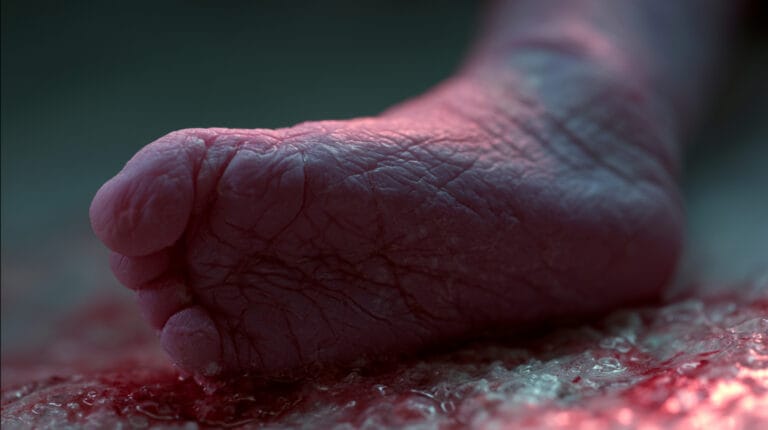
We file the clean and unclean laws under “forbidden foods.” But open Leviticus, and most of the system isn’t about the menu — it’s about the body. Turn its own measure around, and it points somewhere we didn’t expect.

The food laws plainly changed — plants in Eden, every creature after the flood, clean and unclean at Sinai. If God never changes, what do we make of that? It turns out none of the stages was the destination.
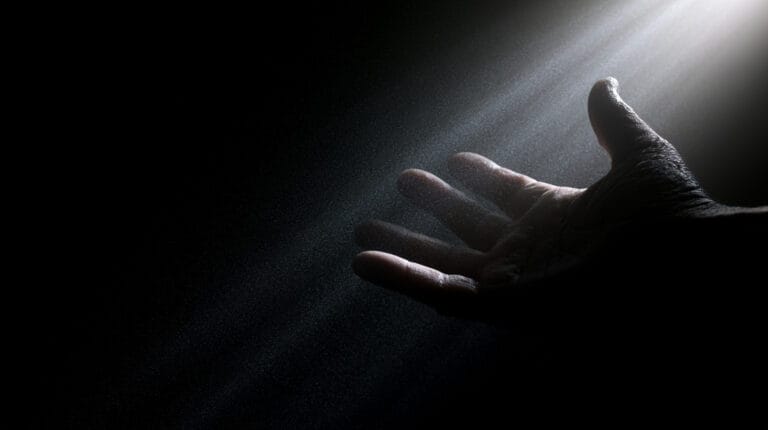
The leper wasn’t the only one. Again and again Jesus crossed the line the law drew around the unclean — the leper, the bleeding woman, the dead — and every time, it was the uncleanness that gave way, not him.
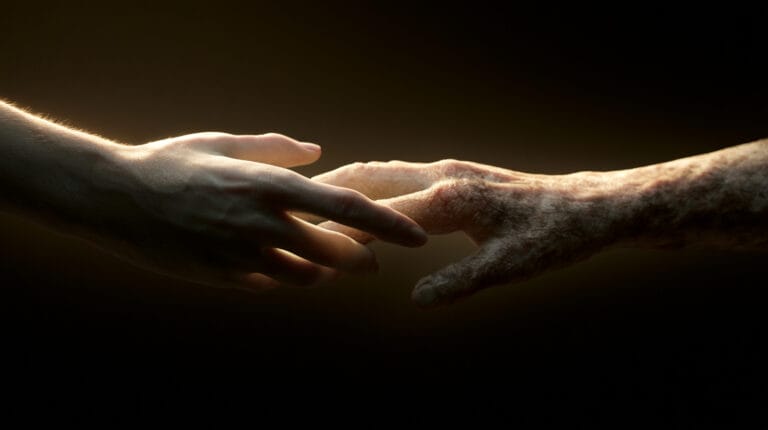
A leper begs to be made clean — and instead of healing him from a safe distance, Jesus reaches out and touches the untouchable. That one choice quietly overturns a word most of us were sure we understood.