Through What Lens Do We View the Feasts?
There’s more than one way to look at God’s feasts — and most of us never notice we’ve already chosen one. Change the lens, and what looked like rules and a calendar starts pointing somewhere.
There’s more than one way to look at God’s feasts — and most of us never notice we’ve already chosen one. Change the lens, and what looked like rules and a calendar starts pointing somewhere.
The week has a shape — six and a seventh, then a new beginning. Watch that same shape turn up in the years, the Jubilee, Pentecost — until you notice you’re standing inside several at once.
“Church” isn’t a translation of the word Jesus used. It’s a substitution — one that points toward a building instead of a people. What the original word actually means is worth a closer look.
When does a day begin? Since the clock, we say midnight. The Bible says evening — sunset. But it never pins down the exact minute — and that quiet imprecision is worth sitting with.
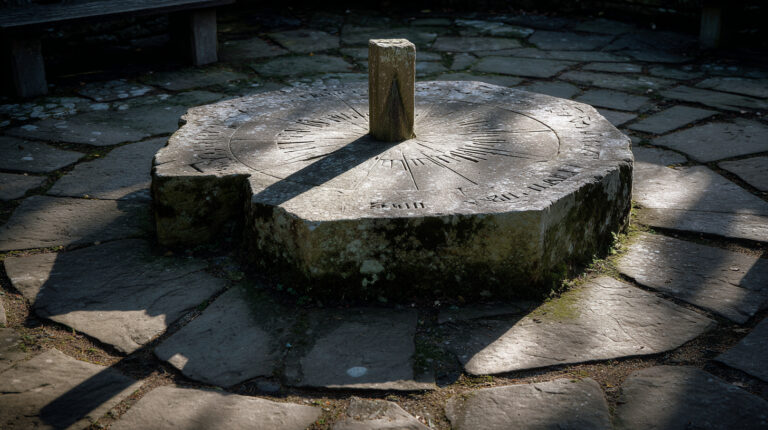
Does God have a plan? Most of the world assumes not. Scripture says yes — and that the plan has a center: everything in heaven and on earth gathered under Christ. The feasts were the shadow of it, sketched in advance. The body casting the shadow was always him.

When the Bible talks about leaven, it isn’t talking about the little packet of dry yeast from the grocery store. It’s talking about sourdough — a living culture you maintain and feed. Make sourdough once, and the leaven texts will never read the same way again.
A sermon from the fall of 2000 on the personal side of the last three feasts — access to God’s throne now, the pilgrim’s journey out of Egypt, and why Scripture can call death a beginning.

A sermon from the fall of 2000 on the personal side of the Feast of Trumpets — the war we’re already in, a resurrection meant for today, and a coming of Christ we don’t have to wait for.